Denmark is a great year-round destination, with each season offering something different. From long summer days and beach trips to cosy winter markets and candlelit cafés.
But when is the best time to visit? That depends on what you’re looking for. Here’s a season-by-season guide to help you decide when to go.
When to visit Denmark: a quick overview
- Best for warm weather and long days: June to August
- Best for fewer crowds: May, early June and September
- Best for cosy winter vibes: December
- Best for festivals and events: June to August
- Best for budget travel: March–May and October–November
- Best for swimming and beaches: July and August
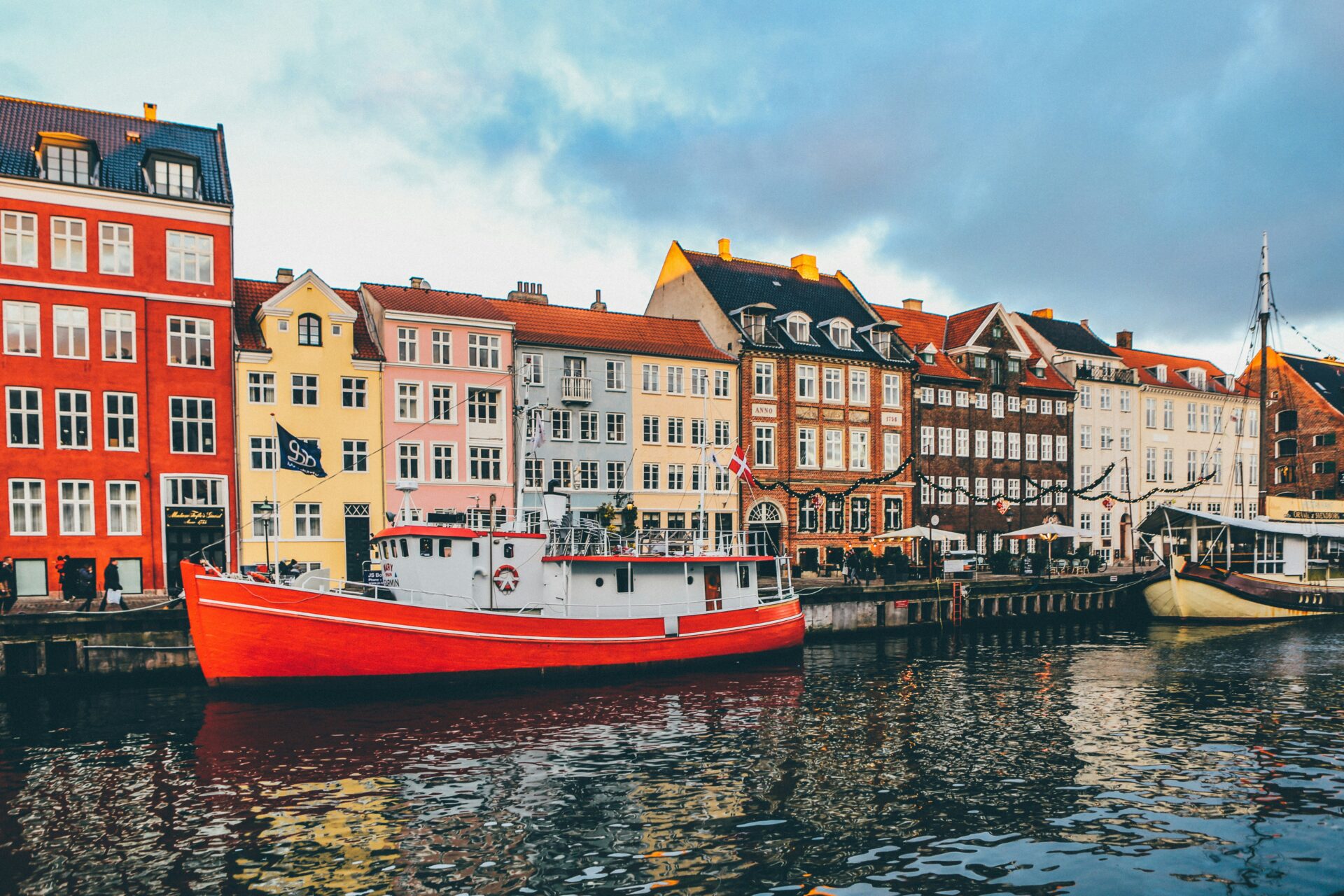
Spring in Denmark
Spring arrives slowly in Denmark, usually from late March or April. Early spring can still feel chilly and changeable, with occasional cold days, but by late April temperatures rise and the country starts to come back to life.
By May, you can expect longer days, milder weather and blooming parks and gardens, especially in cities like Copenhagen and Aarhus. It’s a great time to explore without the summer crowds.
Spring also brings a number of low-key events and traditions, from documentary festivals like CPH:DOX to seasonal celebrations around Easter and early May. While Store Bededag is no longer a public holiday, some traditions still continue.
May is also a month of celebrations, kicking off with International Worker’s Day, which always falls on the 1st May and sees concerts, rallies and speeches taking place in cities across the country (especially in Copenhagen). A few days later on May 5, Denmark commemorates Liberation Day with flags and candles galore, and many shops close around Ascension Day and Whit Monday.
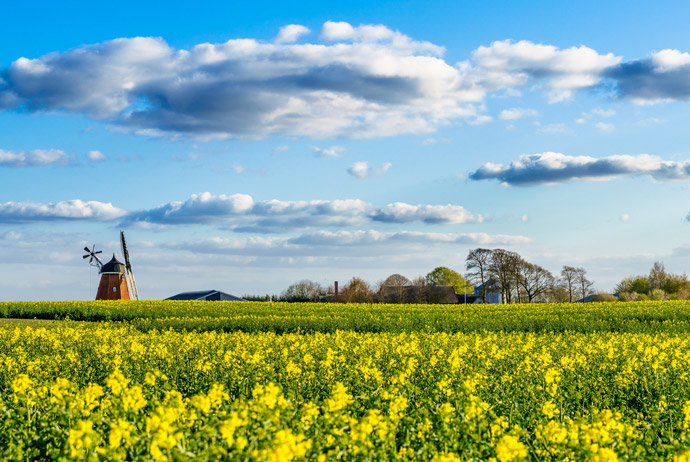
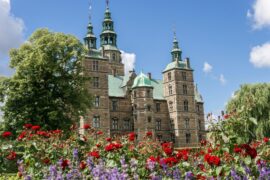
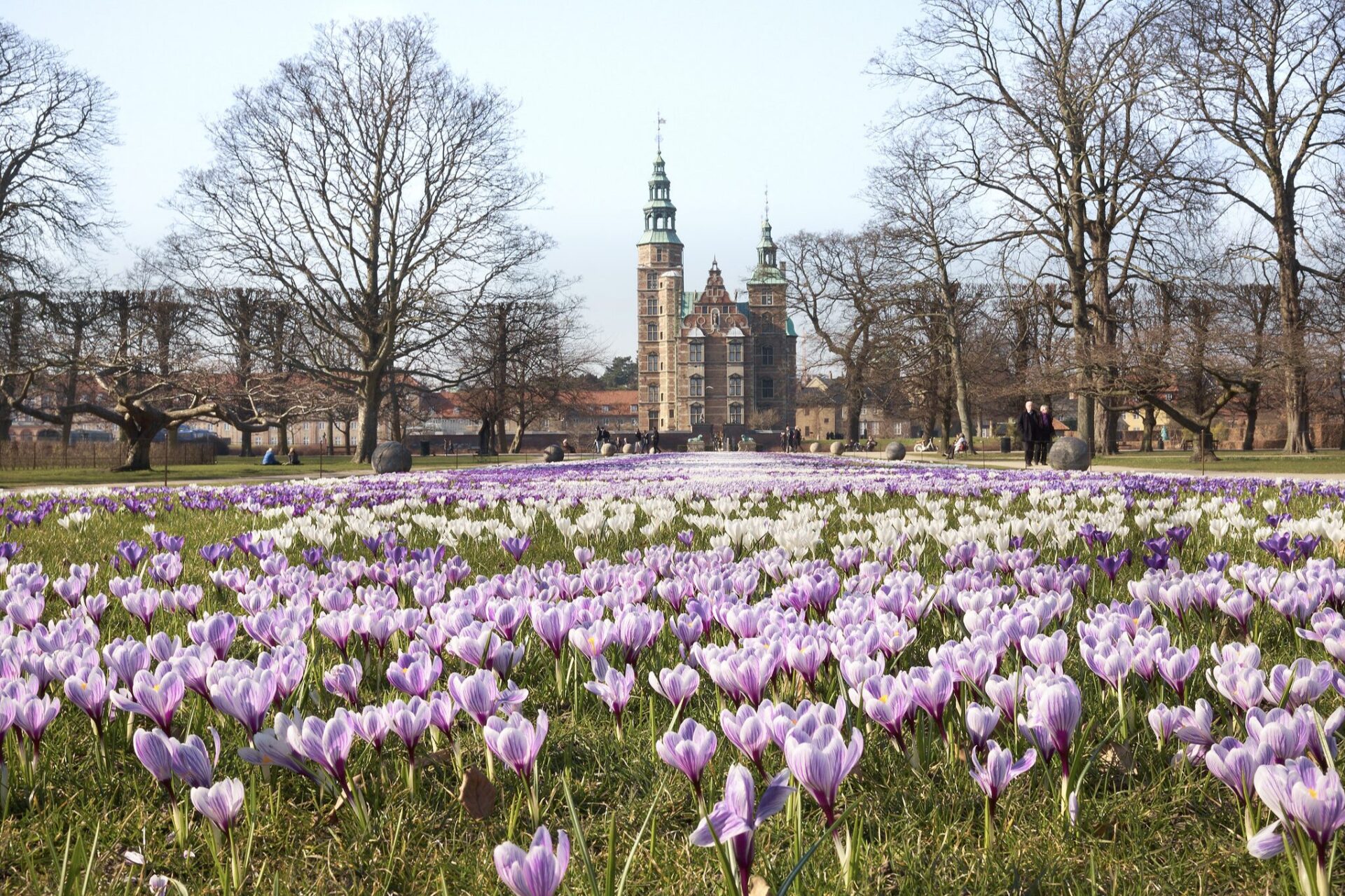
Springtime in Denmark is also when art galleries reopen their doors, and none are more famous than those in Copenhagen’s museum district, Parkmuseerne. Admire Islamic art at the David Collection or drool over the crown jewels at Rosenborg Castle, which is surrounded by a lovely park. Other parts of Denmark follow suit around this time of year, including pretty beach towns like Skagen, which begin to draw tourists from Sweden, Germany and further afield.
The food truck business is still booming all around Denmark, and you’ll see lots of carts starting to open again in spring. Look for Rebel Food or West Market in Inner Vesterbro, or the Verdenshjørnet carts tucked under two giant teepees in Nørrebro.
The weekend food market in the Meatpacking District opens for the summer season at the end March. If it’s raining, Torvehallerne food market hall is a good all-weather standby. If it’s a particularly sunny spring day, you’d do well to head out to Dyrehaven, a Unesco World Heritage Site of lush woodlands, small lakes and roaming deer, all just a short bus or train ride from the city centre.
Cycling in Denmark starts to look more appealing during the spring, too, and you’ll find a few guided tours being offered on two wheels. If you want to rent a cottage in Denmark, late spring is the ideal time – rates are cheaper than in the height of summer and you won’t be competing with others for availability.
Danish summers
Summer is the best time to visit Denmark if you’re after long days, mild weather and a relaxed atmosphere. Temperatures typically range between 20–25°C, making it ideal for beach trips, swimming and exploring the countryside.
Early summer (June) is especially appealing, with pleasant temperatures and fewer crowds before the main holiday season kicks in. By July and August, many Danes head to summer houses or travel abroad, giving cities a slightly quieter, more laid-back feel. Especially in the evenings, when locals gather in parks, cafés and along the waterfront.
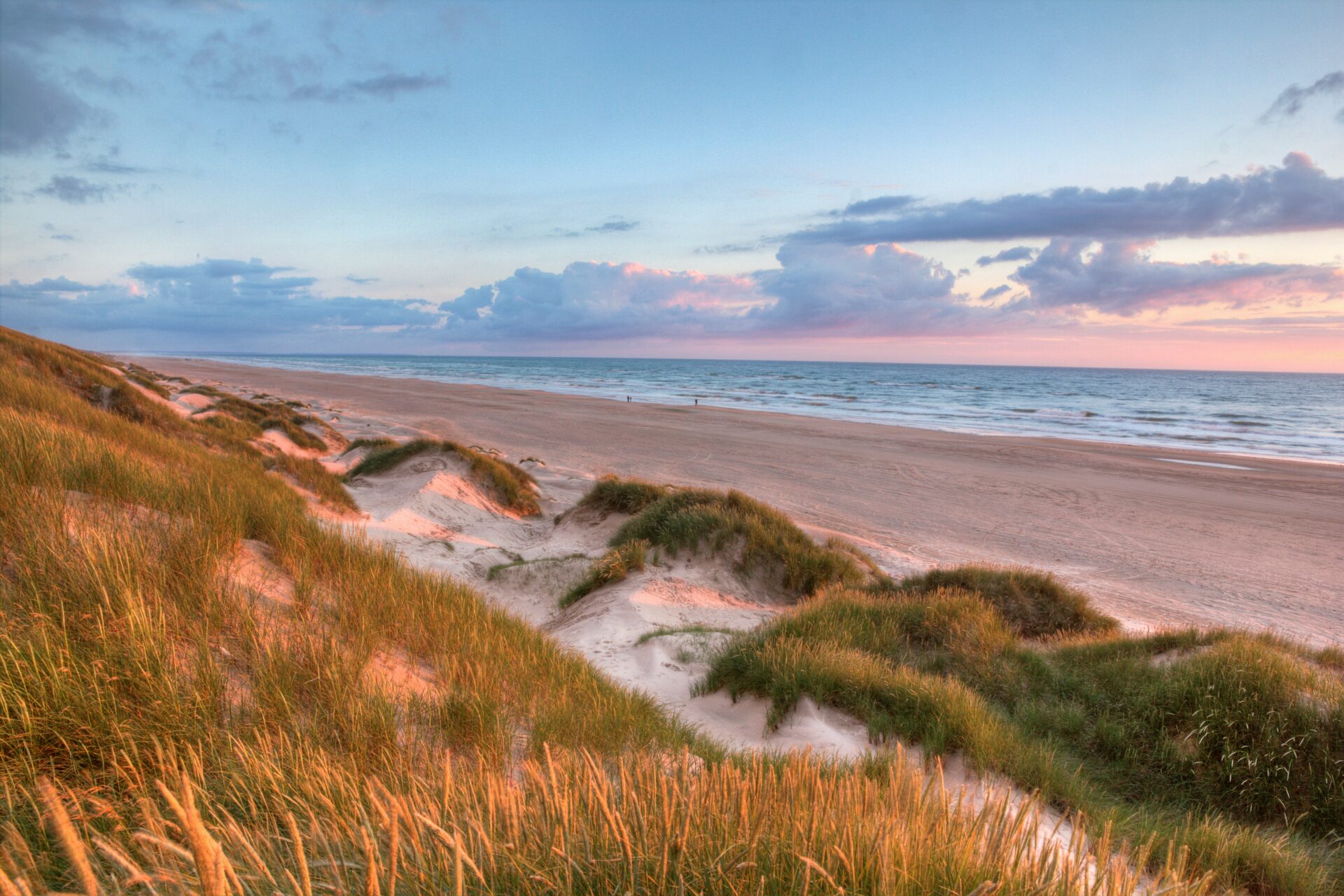
Just don’t forget to pack some wind- and rain-proof clothes, as the weather can change quickly. Highlights of the season include picking fresh strawberries, eating all sorts of fruit tortes and enjoying plenty of outdoor events and celebrations.
Summer is also the season to get outdoors. You can kayak through calm waterways, explore the coastline, or simply relax in one of Copenhagen’s many parks. For more ideas, check out our guide to the best Copenhagen activities, including these cheap and free things to do.
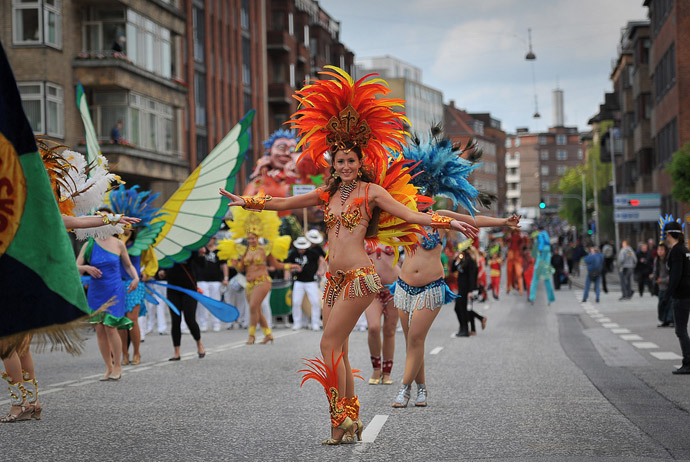
Summer is also a lively time for festivals and celebrations. Constitution Day on June 5 is marked with speeches and local events, while Midsummer (Sankt Hans) brings bonfires, singing and picnics along the coast. The famous Roskilde Festival remains one of Europe’s biggest music events, and cities like Copenhagen host smaller festivals, concerts and open-air performances throughout the season.
If you’re looking for a more active trip, this is also the best time for hiking, cycling and camping in Denmark, with long daylight hours making it easy to explore at your own pace.
Autumn in Denmark
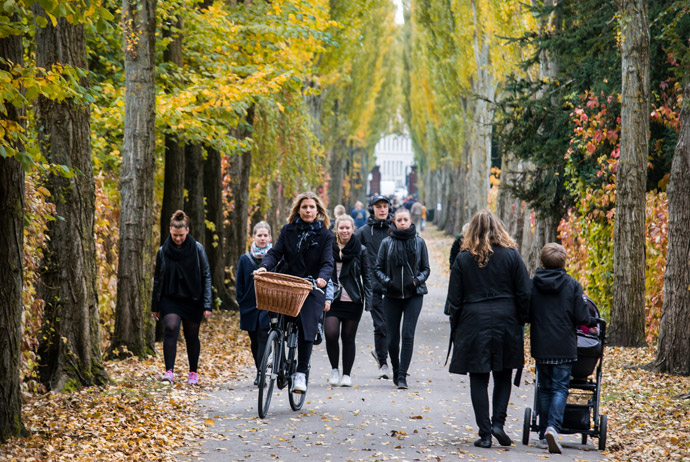
September is markedly brisker than August but the weather can still go either way, with occasional warm days. As most people are back at work by this time of year, September is the ideal month for windsurfers, cyclists and other thrillseekers to head outdoors.
The trees turn golden in September and this is easily the best time of year to harvest apples, pears and plums. You’ll definitely want to wear a light jacket but it isn’t until October until you need to move on to heavier coats. By then, the days are shorter and the skies tend to be cloudier.
Danes do a lot to keep the autumn’s chill at bay, with colourful events like Copenhagen Culture Night keeping spirits high. Kulturnatten, as it’s known to locals, is a huge city-wide event, with around 250 museums, galleries and cultural spaces showing off special exhibitions and installations, all completely free of charge.
Though Halloween is a minor holiday in Denmark, you’ll see small nods to the event wherever you go. The Tivoli amusement park in Copenhagen still goes all out, with pumpkin-carving sessions, dress-up opportunities, spooky decorations and even some haunted houses.
November festivities centre around All Saint’s Day, Martinmas Eve and St. Martin’s Day. Folk legend recounts the tale of St. Martin who, in a bid to avoid being ordained as a bishop, hid in a goose pen. He was betrayed by the cackling of the geese, and these days Danes celebrate the holiday by roasting duck (a more easily obtainable fowl). This is a tricky celebration for tourists to join in with, but some restaurants get in on the act by serving traditional dinners at this time of year.
Danish winters
Winter in Denmark is cold, often windy and sometimes wet, with occasional snowfall rather than guaranteed snow. Daylight hours are short — with the sun rising late and setting early — so it can feel dark for much of the day.
Make no mistake: winter in Denmark is cold. It often snows, the wind can howl, and the nights can seem impossibly long. You can expect the sun to rise at around 9am and set again at about 4pm, and even then temperatures can struggle to get much above freezing, so you’ll definitely want to wrap up in your best warm walking boots and woollen socks.
That said, this is when Denmark truly embraces hygge. Cities glow with Christmas lights, candles and cosy cafés, and festive markets pop up across the country, filling the air with the smell of gløgg and roasted almonds.
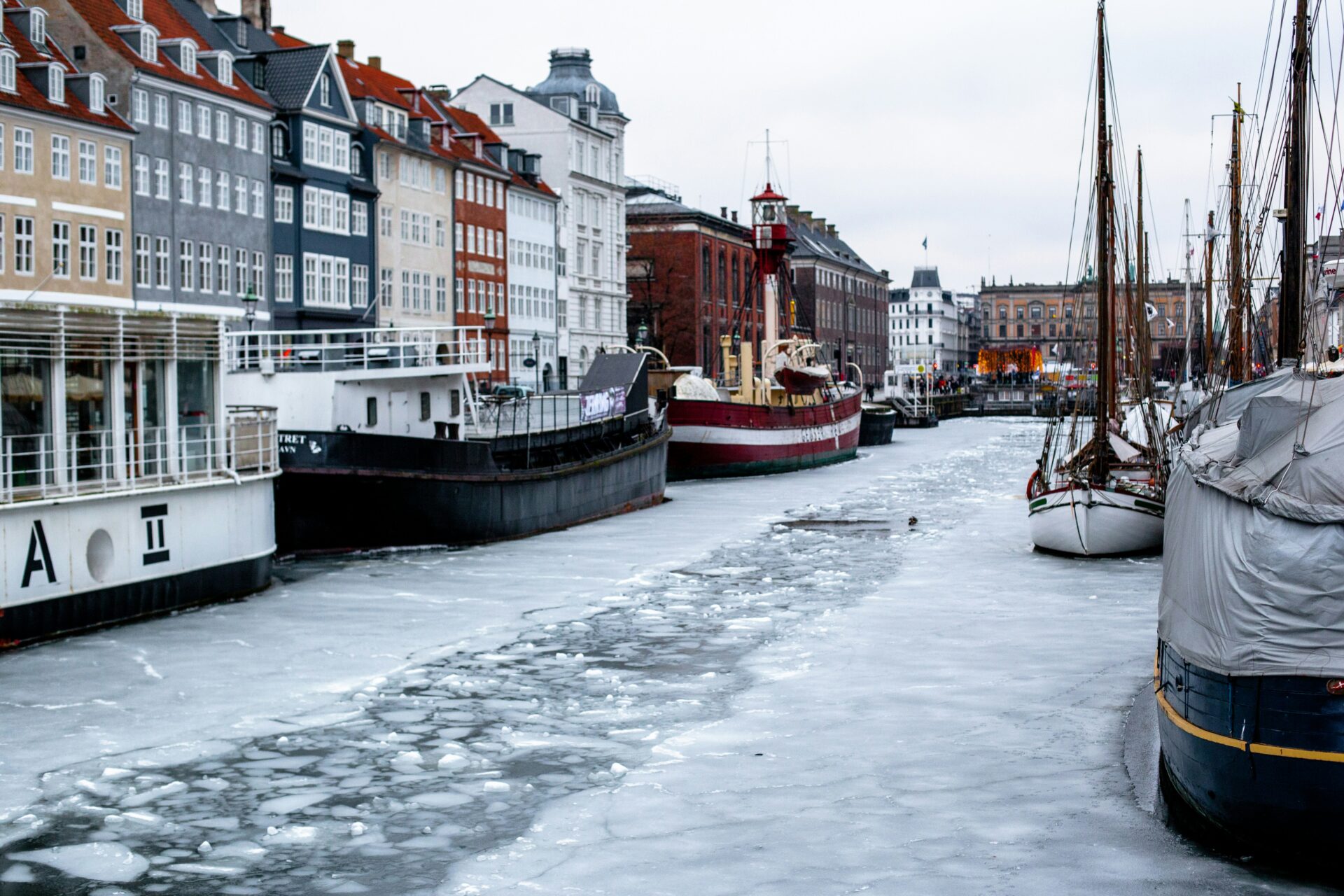
Head up to Denmark’s northernmost town in January and you might catch the annual Skagen Winter Swimming Festival, an event where participants dive into the icy sea amid blustery winds and are rewarded with hot soup for their courageous efforts. February’s Winter Jazz Festival is a favourite way to warm up in what is typically one of the coldest months of the year, as is the Frost Festival, boasting 20+ days of concerts and cultural events. Fastelavn, the Danes’ version of Carnival, takes place around seven weeks before Easter (usually in February). This is a time when locals gorge on candies and pastries, and generally lark around with friends and family.
Public ice skating is a popular winter activity in Copenhagen, with several outdoor rinks across the city. Some are free to use, though you’ll usually need to pay if you want to rent skates. From the capital, you can take a train out to nearby fairytale castles at Hillerød (Frederiksborg) and Helsingør (Kronborg). Or avoid the cold altogether and warm up in a local sauna, embracing hygge, the Danish art of cosiness.
When should you visit Denmark?
Ultimately, there is no wrong time to visit Denmark. Whether you fancy Christmas cheer and cosy nights, or festivals and fun in the sun, it’s a great place to visit whatever the season.
The best time to go really depends on what you’re looking for — long summer days, colourful autumn landscapes, fresh spring air or winter hygge. When would you choose to visit Denmark? Let us know in the comments below, we’d love to hear your plans.
Camping in Denmark
Events in Denmark
The best tours in Copenhagen
Rent a cottage in Denmark