

One of the joys of visiting Norway is how dramatically the seasons change, each offering a completely different experience. From frozen fjords in winter to long, light-filled days in summer.
Stretching over 1,000 miles from south to north, Norway has huge regional differences too, from the milder southern coast to Arctic conditions in places like Svalbard. So, what is the best time to visit Norway? It depends on what you want to see and do. Whether that’s hiking the fjords, chasing the northern lights or experiencing the midnight sun.
Here’s what to expect in each season — and when to visit for the experiences you don’t want to miss.
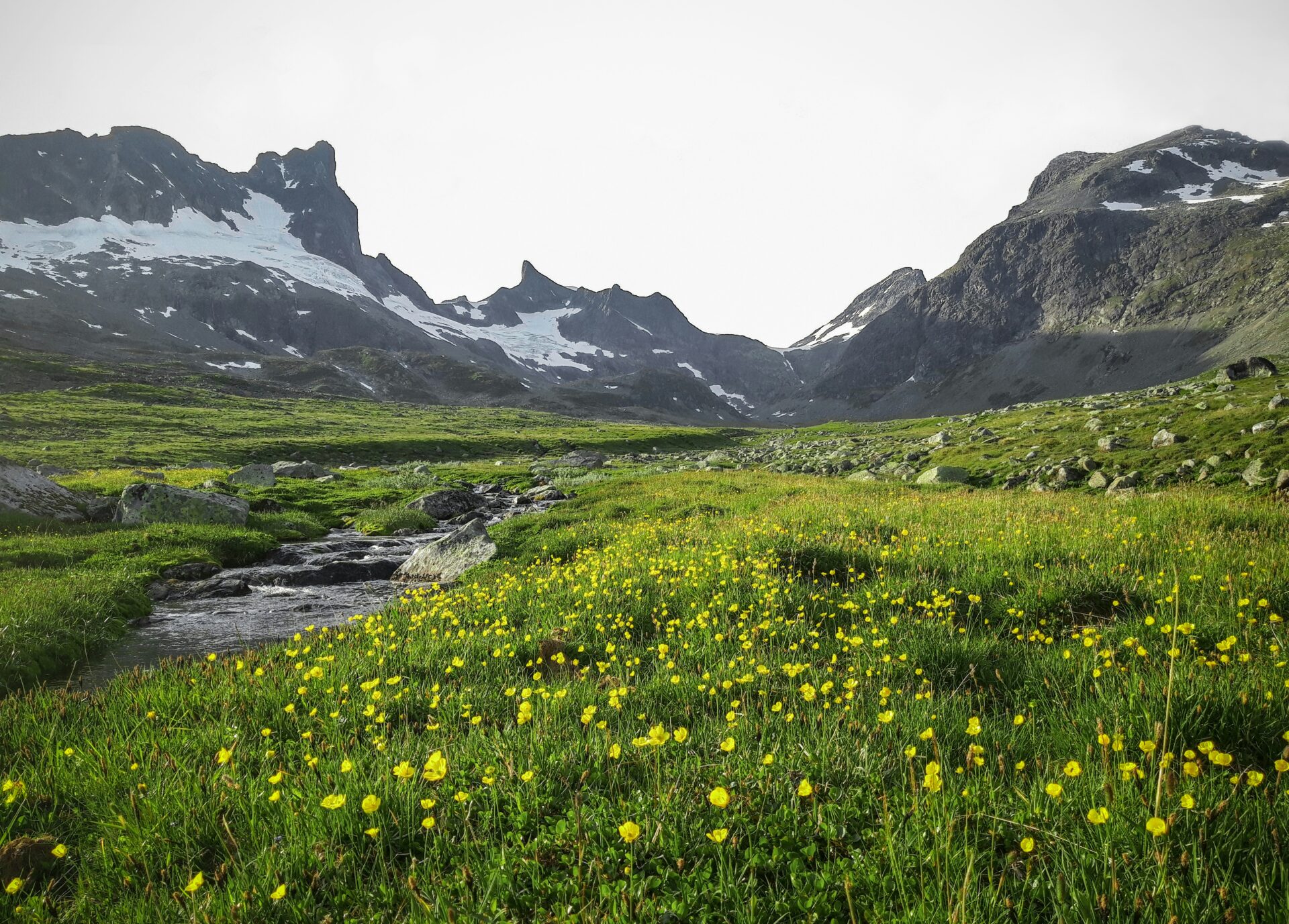
When to go to Norway: a quick guide
- For mild weather, sunshine and even a sea swim: June to late August is the best time to visit Norway
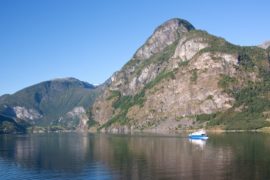
- For fjords, hiking and road trips: June to September
- For winter sports and reliable snow: December to March
- For the midnight sun: late June across the Arctic Circle, or mid-April to mid-August in Svalbard
- For the northern lights: late September to March, best in the north
- For fewer crowds and lower prices: May and September
Norwegian summer season
Norway’s summer season is still relatively short, but it now often stretches from late May to early September, with warmer temperatures in recent years. For many travellers, this is the best time to visit Norway.
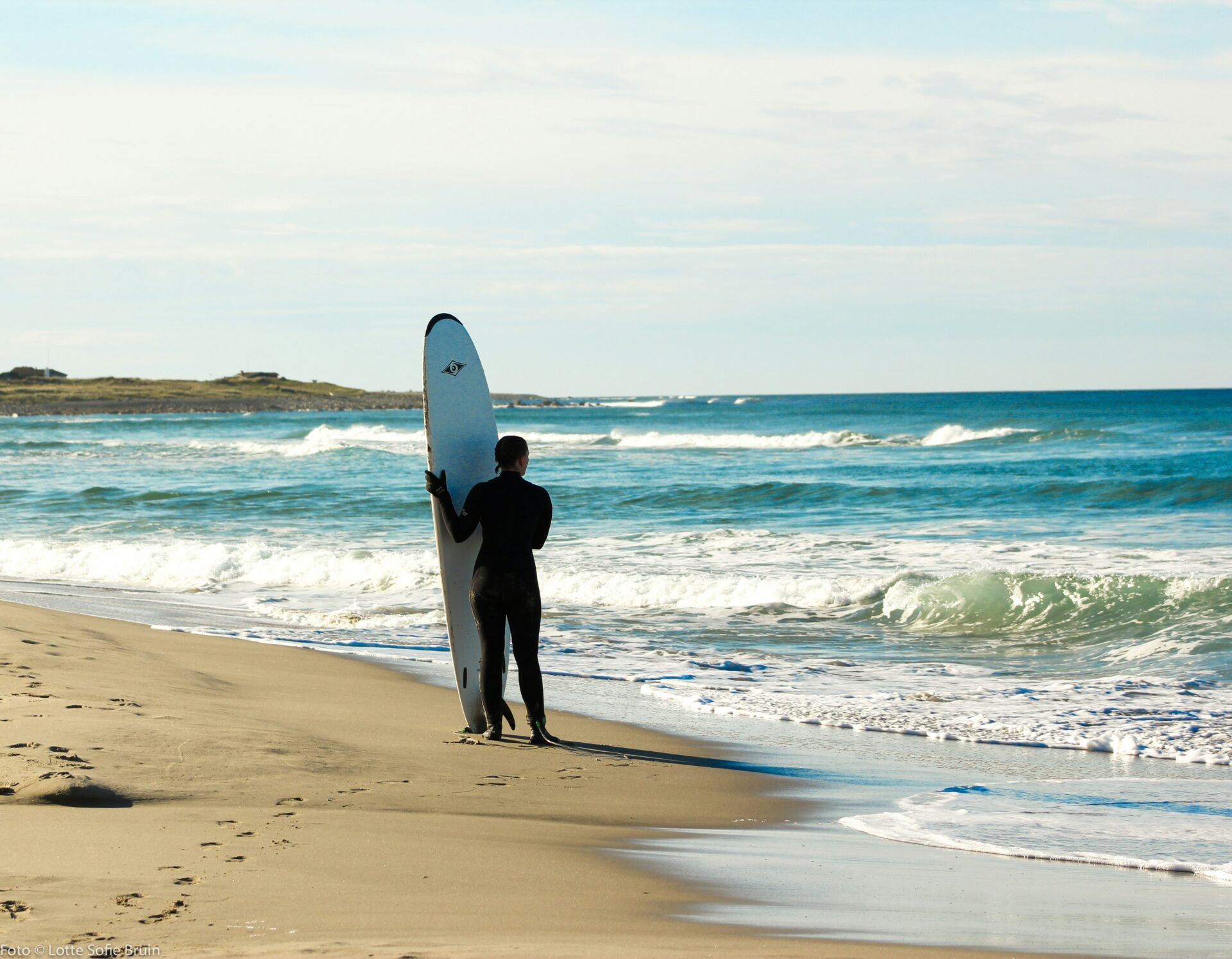
The days are long, cafés and restaurants stay open late, and transport runs on full schedules. In southern areas, temperatures can reach 20–25°C (and sometimes higher), making it warm enough to swim at some of Norway’s surprisingly beautiful white-sand beaches.
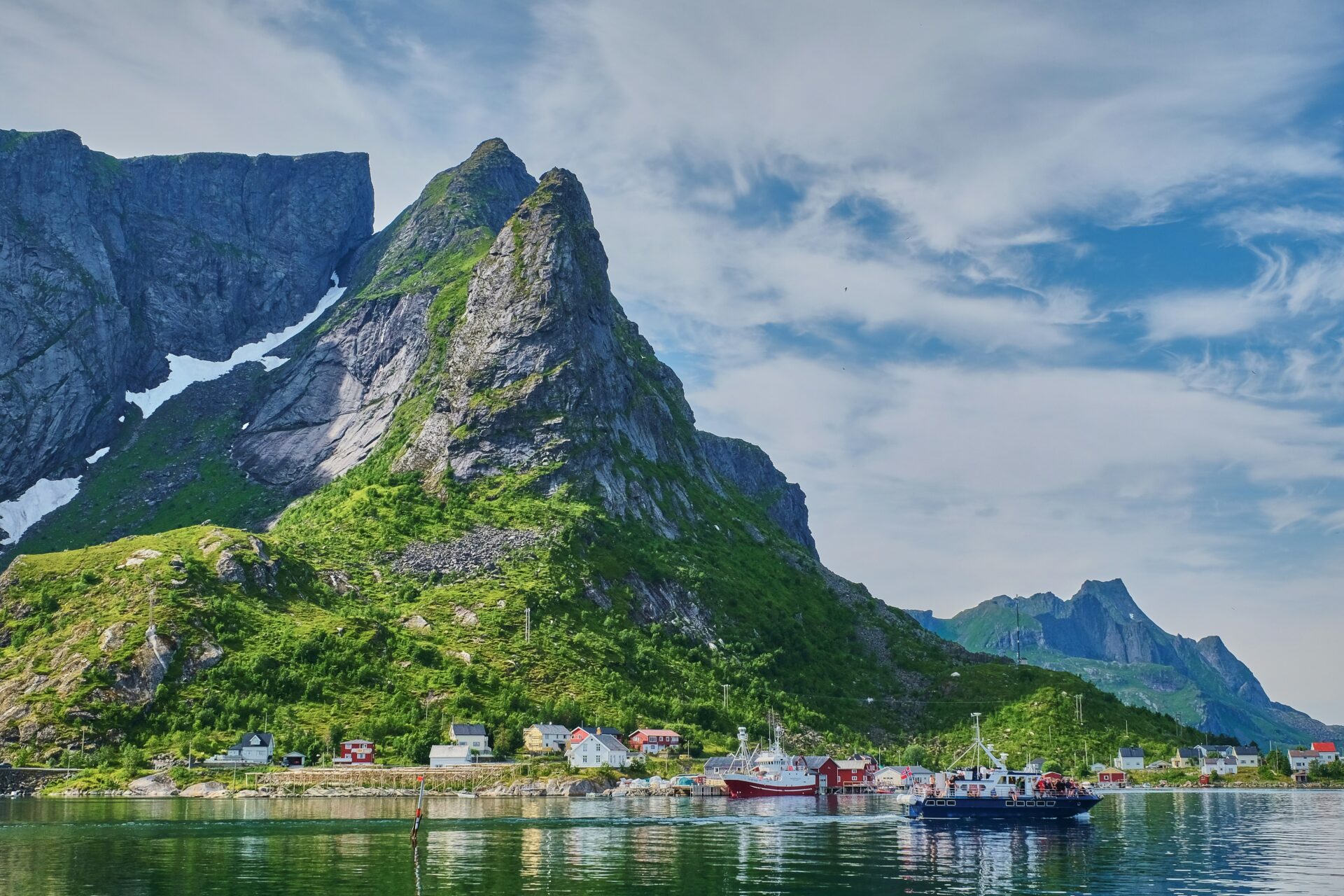
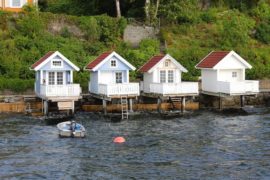
This is also when locals make the most of the outdoors. Around Oslofjord, residents head to the islands to stay in simple cabins, spending their days swimming, kayaking, sailing and barbecuing well into the evening — with sunset as late as 11pm in June.
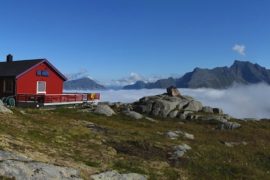
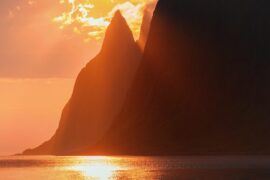
Further north, you can experience the midnight sun. In places like Lofoten, the sun doesn’t set at all from late May to mid-July, and anywhere north of the Arctic Circle you’ll get continuous daylight for several weeks.
This is also peak travel season, especially in July. Expect higher prices and busier destinations, particularly in popular areas like the fjords and Lofoten. It’s worth booking accommodation well in advance.
Our favourite summer experiences in Norway
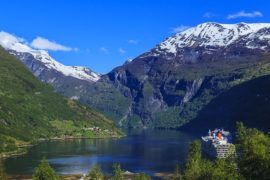
- Exploring the fjords around Bergen
- Road-tripping along the Atlantic Road or through the fjord region
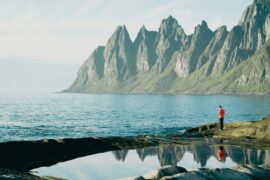
- Island hopping in the Lofoten
- Sailing in the Oslofjord
- Kayaking with the midnight sun north of the Arctic Circle
Winter weather in Norway
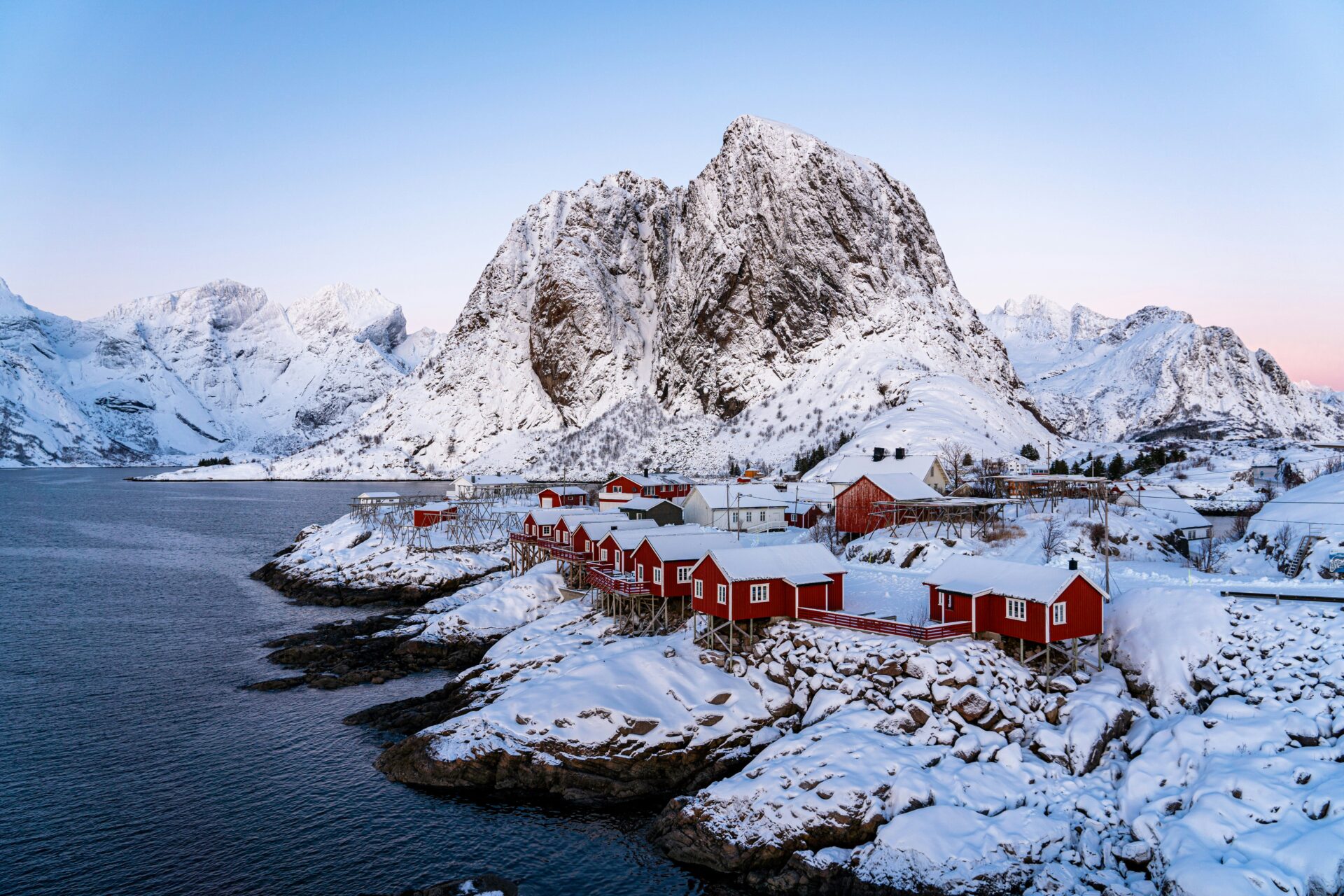
If you’re after the classic Scandinavian winter experience — thick snow, frozen lakes and cosy cabins — this is the time to visit. Winter is also the best time to see the northern lights, especially in the north of the country. Really, there’s little that beats sitting outside in a cosy hot tub watching the colours and lights play across the dark sky.
In places like Tromsø, snowfall is common and conditions are ideal for winter activities (fancy reindeer sledding?) If you travel far enough north, you may even experience the polar night, when the sun barely rises above the horizon.
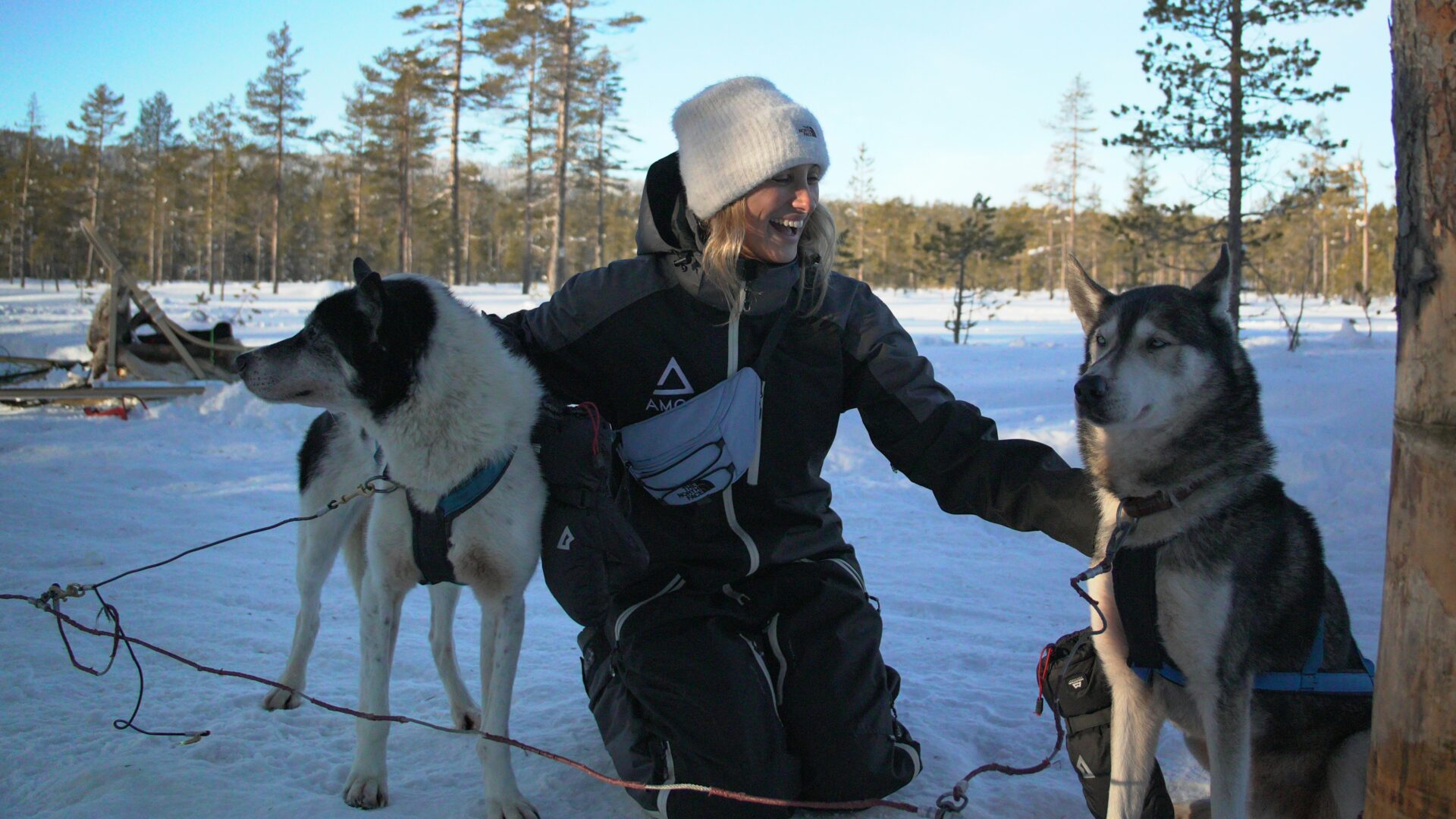
Across Norway, you’ll find plenty of winter activities, from cross-country skiing and dog sledding to snowmobiling and ice skating. It’s also a great time for guided tours and unique Arctic experiences.
That said, winter travel can be more challenging, particularly in remote areas. Transport schedules are more limited, and shorter daylight hours — especially in northern Norway — mean you may spend much of your time exploring in low light or darkness.
Also, because the daylight hours are shorter, you may well end up doing much of your exploring in the dark (especially in the north of the country, where there are only a few hours of daylight).
If you’re planning to travel around, renting a car can make things easier, but be sure you’re prepared for winter driving conditions. This guide has tips on renting and driving a car in Norway.
Our favourite winter experiences in Norway
- Chasing the northern lights in Northern Norway
- Dog sledding through snowy landscapes
- Staying in a cosy cabin or rorbu
- Cross-country skiing in scenic surroundings
- Experiencing the polar night above the Arctic Circle
Spring and autumn weather in Norway
In many ways, spring and autumn are ideal shoulder seasons — quieter and more affordable than summer, but without the extreme cold and darkness of winter.
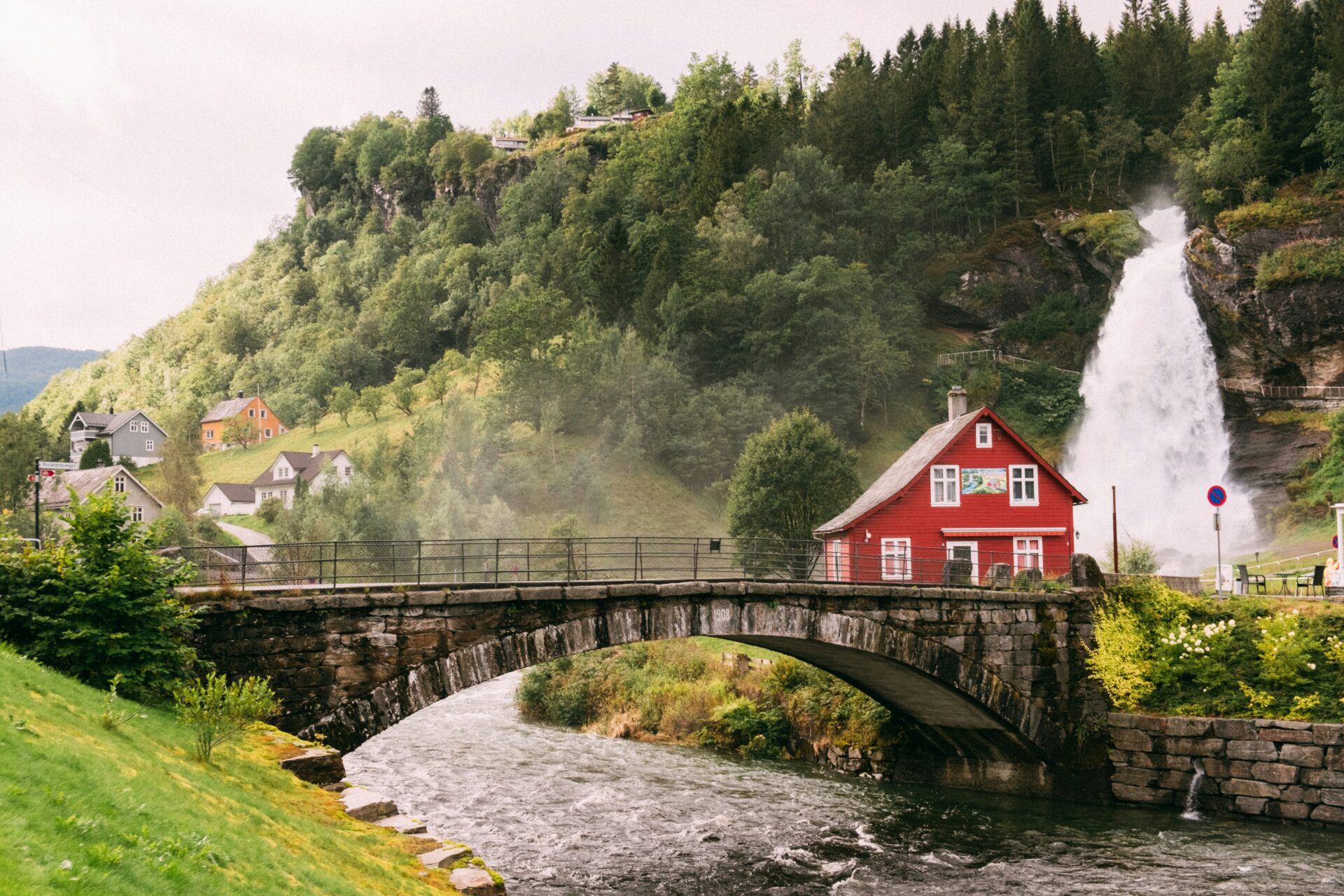
In spring, the melting snow transforms the landscape. Fjords are at their most dramatic, with powerful waterfalls fed by snowmelt and hillsides covered in fresh greenery and wildflowers. It’s a great time for scenic drives and exploring nature before the peak summer crowds arrive.
Autumn, meanwhile, is perfect for hiking. Forests and mountains turn shades of red, orange and gold, and the cooler temperatures make outdoor activities more comfortable. It’s also the start of the northern lights season in parts of Northern Norway, from late September onwards.
Bear in mind that the weather can be unpredictable, especially in spring. Days can be mild and sunny — or cold and wet — and temperatures drop quickly in the evenings, particularly in the north. Packing layers is essential.
Our favourite spring & autumn experiences
- Seeing waterfalls at their peak in the fjords (spring)
- Hiking in colourful autumn landscapes
- Scenic road trips with fewer crowds
- Catching the first northern lights of the season (autumn)
Festivals in Norway
Another factor to consider when deciding the best time to visit Norway is what’s happening across the country.
Norway hosts a wide range of festivals throughout the year — from summer events like midnight sun marathons to winter highlights such as cross-country ski races and Tromsø International Film Festival, which takes place during the polar night. Some events, like Tromsø’s celebration of the return of the sun in January, offer a unique glimpse into life in the Arctic.
On the other hand, major festivals can mean higher prices and limited availability, especially in peak season. If you’re travelling during popular events, it’s best to book accommodation and transport well in advance.
So, when should you visit Norway?
Norway changes dramatically with the seasons, so the best time to visit really depends on the kind of trip you’re after. Whether it’s long summer days by the fjords or snowy winter landscapes in the Arctic, each season offers something completely different.
Whenever you go, timing your trip right can make all the difference.
Have you been to Norway — or when would you most like to visit? Let us know in the comments below.
TOURS AND ACTIVITIES IN NORWAYMORE TOURS
See also:
The best fjords in Norway
12 top tips for visiting Norway on a budget
The best time to visit Scandinavia

Beautiful place my eyes ever seen