Wondering about the best time to visit Sweden? The answer depends on what kind of trip you’re planning. From long summer days and warm lake swims to snowy winter landscapes and northern lights.
Sweden has four very distinct seasons, each offering something completely different. Here’s what to expect throughout the year, and when to go based on your interests.
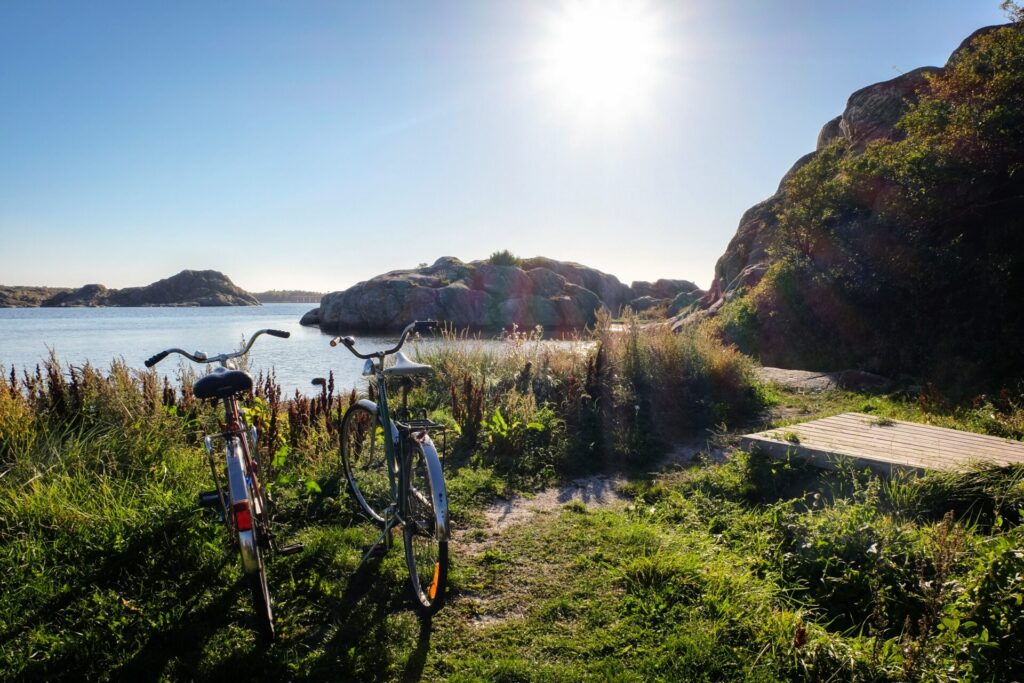
When to visit Sweden: quick overview
- Best for warm weather and sunshine: May to September
- Best for snow: late November to March
- Best for northern lights: late September to early April
- Best for midnight sun: June and July
- Best for fewer crowds: April, May, September
Swedish summers
There’s something very special about summer in Sweden, which runs roughly from late May to early September. Temperatures are warm but rarely extreme, and the long daylight hours — especially around midsummer — make the days feel almost endless.
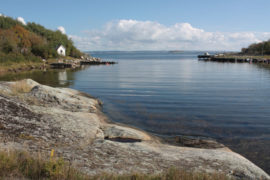
At this time of year, it’s common to see people relaxing in parks well into the evening, enjoying picnics, barbecues and drinks long after 10pm. With the ice long gone, summer is perfect for swimming in lakes, sailing along the coast or hiking in the mountains without the need for specialist gear. Many visitors are surprised by how warm it can get. In cities like Stockholm and Gothenburg, temperatures often reach around 20–25°C in June, July and August, occasionally climbing closer to 30°C during heatwaves.
This is also the time when many Swedes leave the cities for the coast and countryside, especially the archipelagos around Stockholm and Gothenburg, where weekends are spent swimming, boating and relaxing by the water. If you’re planning a trip, check out our guide to the best islands to visit in Gothenburg and near Stockholm for inspiration.
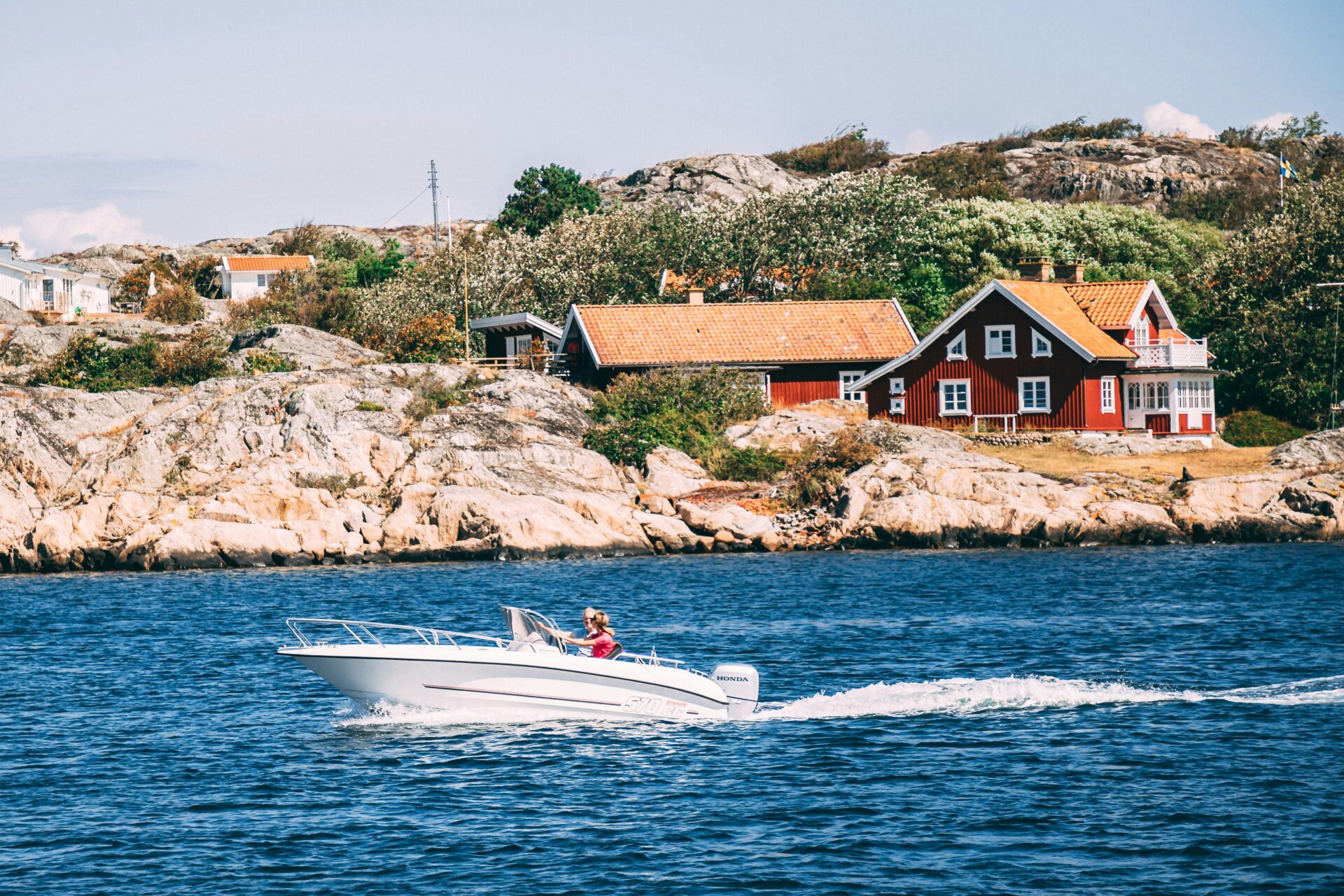
Across the country, summer brings great conditions for exploring. Central regions like Dalarna enjoy warm, settled weather, while even the far north becomes surprisingly mild. Meanwhile, the island of Gotland, quiet through much of the year, comes alive in summer as visitors flock there for beaches, festivals and long, light evenings.
For most travellers, summer is the best time to visit Sweden thanks to the weather and long days, especially if you want to explore the outdoors. However, it’s also peak travel season. Popular destinations can get busy, prices are higher, and some smaller shops and restaurants may have limited opening hours as locals take extended holidays in July.
Winter weather in Sweden
Winter in Sweden (roughly November to March) transforms the country into a snowy landscape, with short days and thick blankets of snow across much of the country. It’s the perfect time for cold-weather activities, from dog sledding and ice skating to cross-country and downhill skiing.
Sweden is often overlooked as a winter sports destination, but it offers quieter slopes and comparable prices to the Alps, with a longer and more reliable snow season in the north. In places like Kiruna and Abisko, conditions are excellent for winter activities and northern lights viewing. Check out our guide to the ins-and-outs, and ups-and-downs, of skiing in Sweden.
In the south, cities like Lund, Stockholm and Gothenburg take on a cosy atmosphere in winter, with candlelit cafés and freshly baked cinnamon buns helping to brighten the darker days.
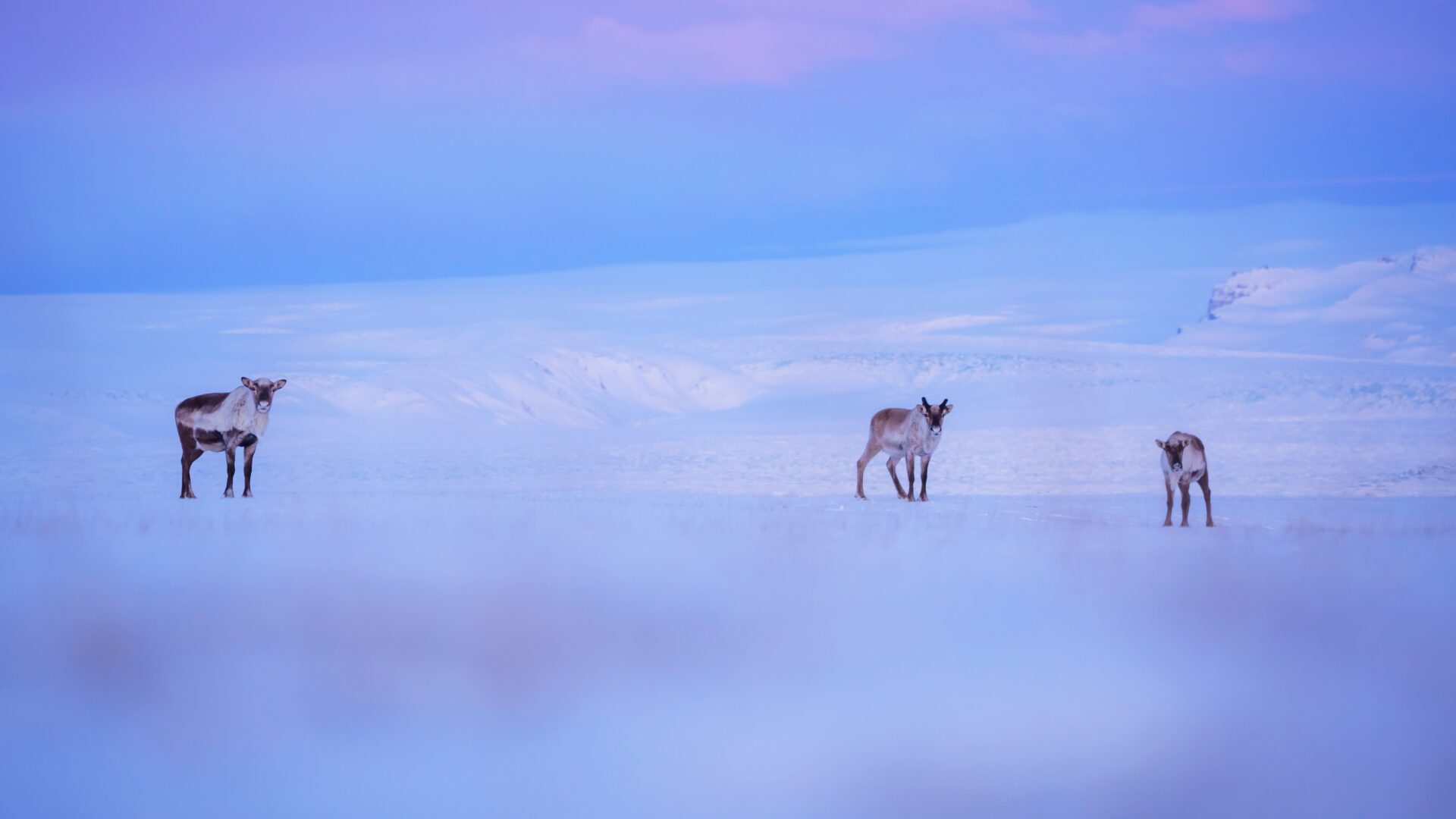
Temperatures regularly drop below freezing across the country. In southern cities, daytime temperatures typically hover between -5°C and 0°C, while in the far north, -10°C is common and cold snaps can push temperatures significantly lower.
Daylight — or the lack of it — is an important factor to consider. In December, the south gets around six to seven hours of daylight, while in the far north there may be just a couple of hours of twilight each day. However, this significantly increases your chances of seeing the northern lights on clear nights.
For many travellers, winter is the best time to visit Sweden if you want snow, winter landscapes and a chance to see the northern lights. However, the short days and cold temperatures can limit sightseeing, so it’s important to plan your activities carefully and dress appropriately.
Spring and autumn weather in Sweden
The shoulder seasons — spring (April to May) and autumn (September to October) — can be some of the most rewarding times to visit Sweden, but they’re also the hardest to predict. Weather conditions can change quickly, with sunshine one moment and rain, wind or even snow the next, especially outside the south.
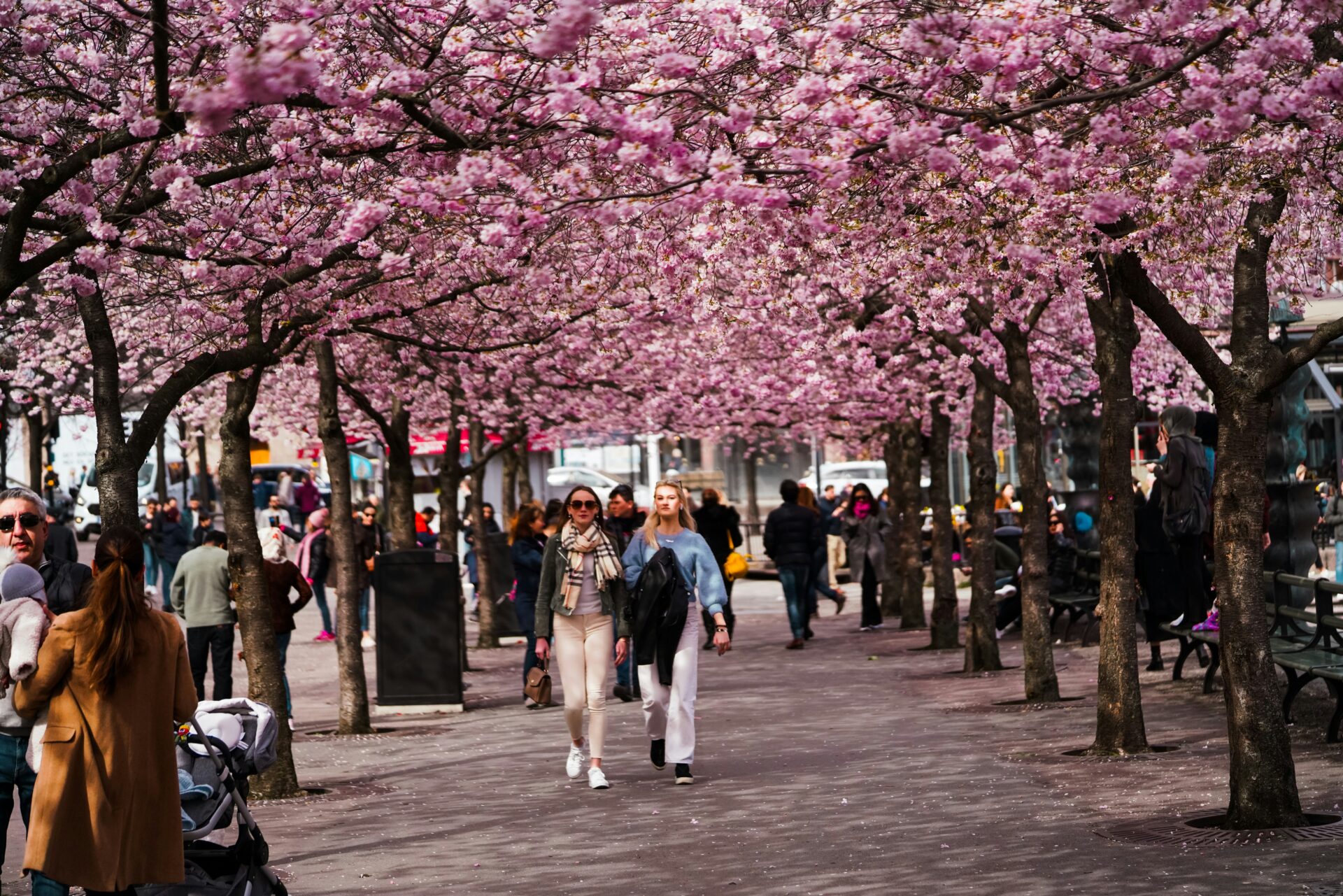
Autumn, particularly September, is a fantastic time to visit. Forests turn vibrant shades of red, orange and gold, hiking trails are quieter than in summer, and in the far north, the northern lights season begins again as the nights grow darker.
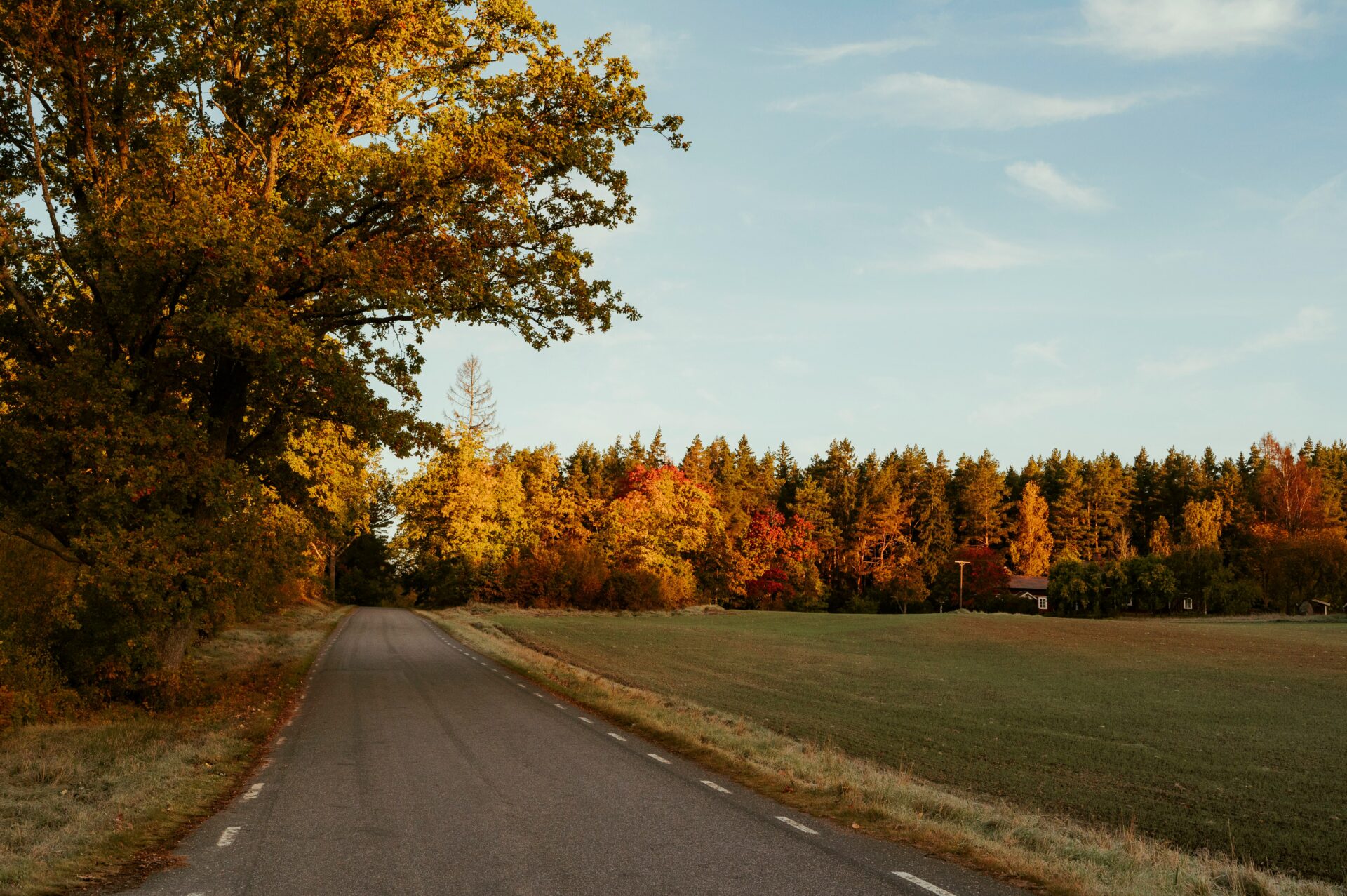
Spring has a different feel, as the country slowly wakes up after winter. Snow begins to melt, days get longer and prices are often lower than in peak season — though conditions for outdoor activities can be mixed, especially in the north.
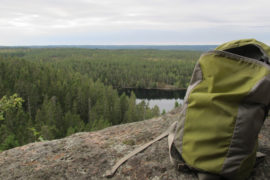
Both seasons are great for hiking and exploring nature without the crowds, but you’ll need to be prepared for changeable weather. One moment the sun could be shining, the next it’s grey, windy and pouring with rain. As the Swedish saying goes, det finns inget dåligt väder, bara dåliga kläder (“there’s no bad weather, only bad clothes”) — and in spring and autumn, that’s especially true, even if you might not always agree. For more ideas, read our guide to Sweden’s best hiking trails.
What’s the weather like in different parts of Sweden?
Sweden is a long country, so the weather varies significantly between north and south. Here’s a quick look at what to expect in different regions:
Stockholm
Sweden’s capital has relatively mild weather compared to the north, with warm summers and cold but manageable winters, often with less snow than you might expect.
Gothenburg
On the west coast, Gothenburg tends to be wetter and windier than Stockholm, thanks to its coastal location, but still enjoys pleasant summers.
Malmö
In the far south (across Copenhagen), Malmö has the mildest climate in Sweden, with shorter winters, less snow and relatively warm summers.
Umeå
Further north, Umeå experiences colder winters and shorter days, but also longer summer daylight hours and a higher chance of snow.
Kiruna
Deep in Swedish Lapland, Kiruna has long, cold winters with heavy snow and near-constant darkness in midwinter, while summers bring midnight sun and surprisingly mild temperatures.
Festivals in Sweden
The Swedes love a festival – any excuse for a party! – and there are plenty to chose from, with top international artists playing gigs such as Lollapalooza Stockholm in June to the peculiarly Swedish surströmmingsskiva, celebrating the country’s favourite extremely smelly fish.
When is the cheapest time to travel in Sweden?
Sweden has a reputation for being expensive and it’s true that it can be a pricey place to travel around. The key thing to do if you’re on a budget is to avoid peak times such as high summer, Christmas and New Year and Swedish public holidays, when accommodation is at its priciest.
So shoulder seasons, such as autumn and spring, are good times to travel around the country, with flights from the UK usually at their cheapest in March. January and February can also offer good deals (outside peak ski weeks), especially in cities.
And although it’s tempting to try to visit during one of the big national festivals, one thing to bear in mind is that, as most Swedes get to take time off work during these festivals, prices for hotels tend to shoot up.

So, when should you visit Sweden?
There’s no single “best” time to visit Sweden — it all depends on what you want to experience. Summer brings long days and warm weather, while winter offers snow, cosy traditions and the chance to see the northern lights.
When would you choose to visit? Let us know in the comments below.
See also:
Christmas in Sweden
Midsummer in Sweden
A quick guide to swedish holidays and traditions
9 best ski areas in Sweden
The best time to visit Scandinavia
Walking the Kings Trail in Sweden