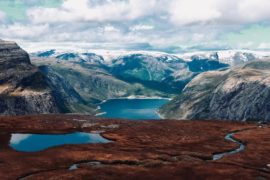
Looking for the best Scandinavian islands to visit? While cities like Stockholm and Norway’s scenic fjords attract millions of visitors each year, some of the Nordic region’s most memorable experiences can be found offshore.
From dramatic Arctic landscapes in Norway to sandy beaches in Denmark and medieval towns in Sweden, Scandinavia’s islands are incredibly diverse. Some are famous summer vacation spots, while others remain peaceful escapes where life moves at a slower pace.
With thousands of islands scattered across the region, choosing where to go can be difficult. To help you plan your next trip, we’ve picked 12 of the best islands in Scandinavia, highlighting what makes each destination special and why it deserves a place on your travel wishlist.
Gotland, Sweden
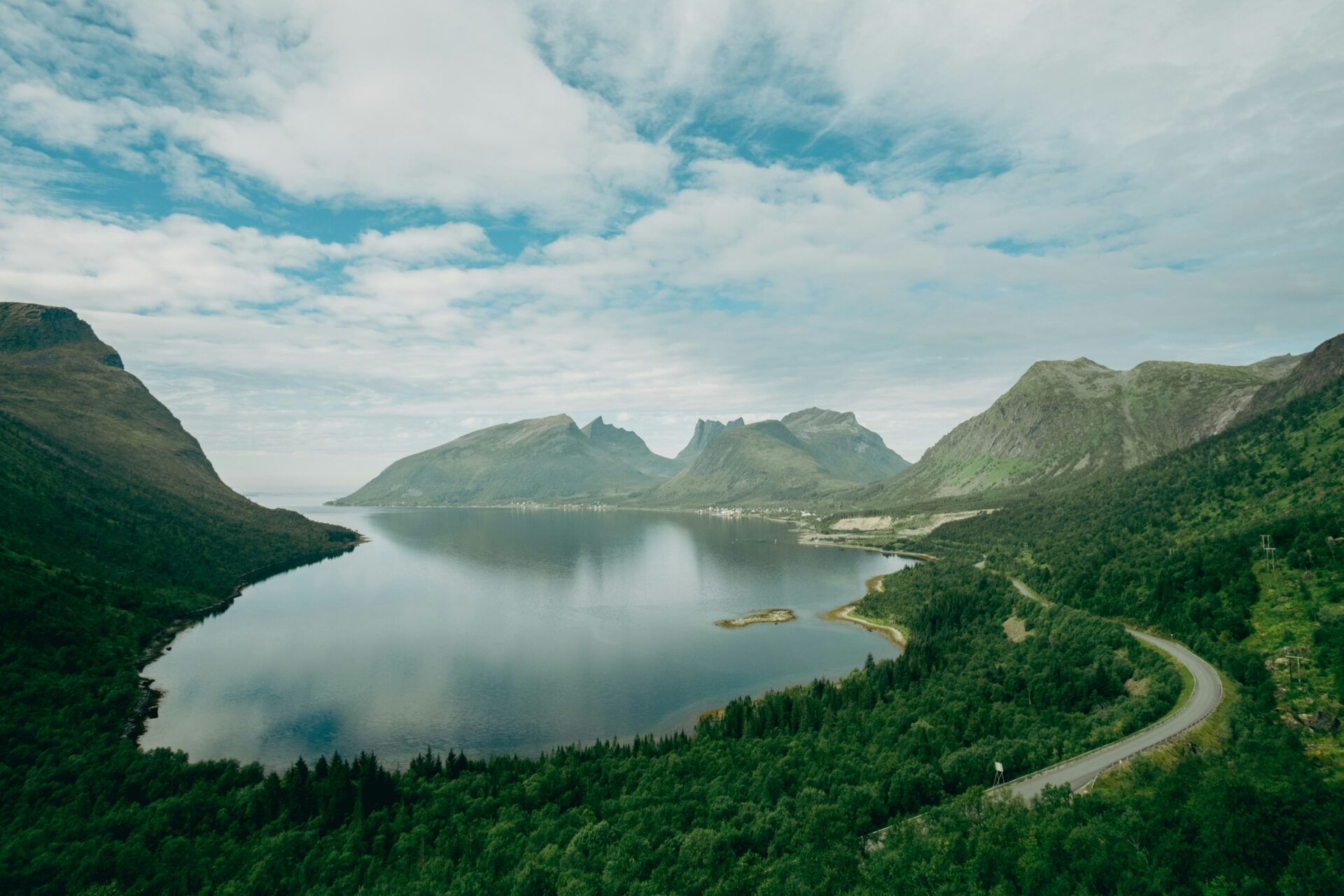
Gotland is Sweden’s largest island and one of the country’s most popular summer destinations. Visitors come for the medieval town of Visby, dramatic sea stacks, sandy beaches and relaxed island atmosphere. Full of natural beauty, it’s known for its rugged coastline, white sandy beaches and unique rock formations.
Gotland’s main settlement is the medieval town of Visby, which is a UNESCO World Heritage site.
Its known for its well-preserved 13th-century city walls, picturesque cobblestone streets and many historical buildings.
If you choose Gotland as your holiday getaway, Visby Gustavsvik may be the perfect play to stay. It’s a short drive from the centre of Visby, and located right on the beach!
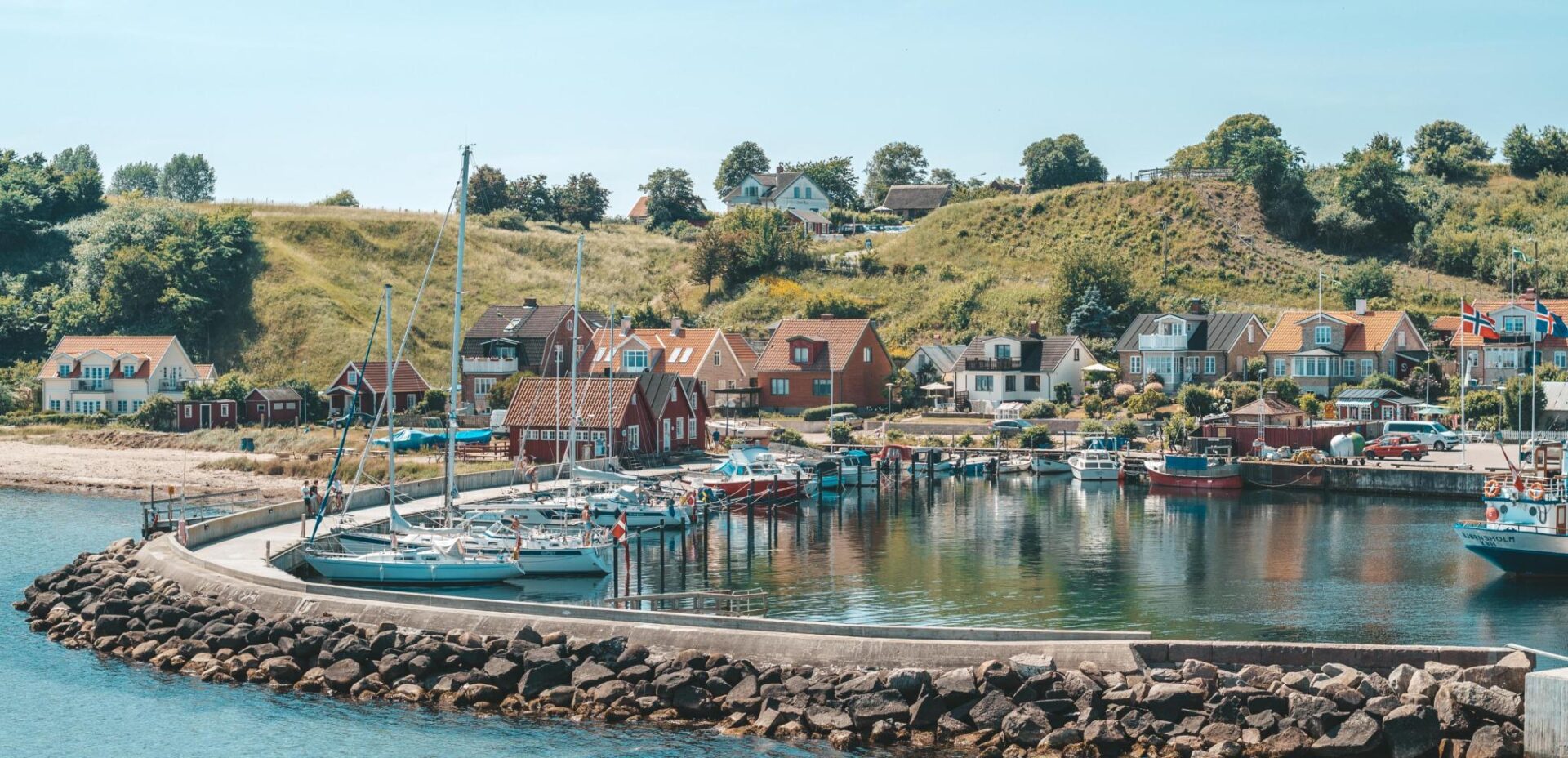
Ærø, Denmark
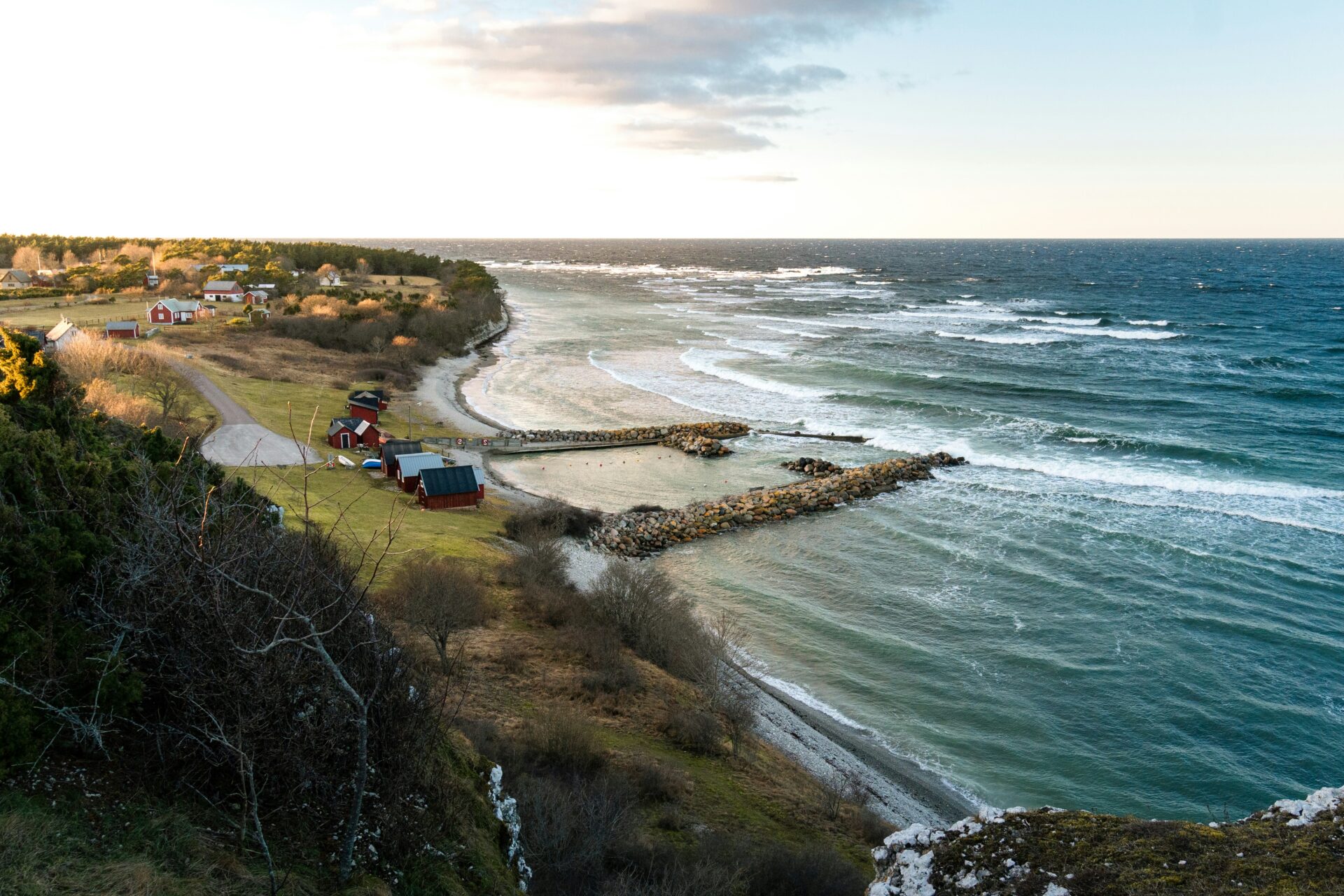
Danes love visiting the island of Ærø, in the southern region of Denmark, for its relaxed and laid-back atmosphere.
With lush green fields, cobbled streets and cosy cottages, Ærø is a great place to get away from the hustle and bustle of everyday life.
If you’re looking for somewhere to stay, the Nostalgi Marstal is a cute little holiday home nestled in an excellent part of the island, just a few steps from the Marstal harbour.
Lofoten Islands, Norway
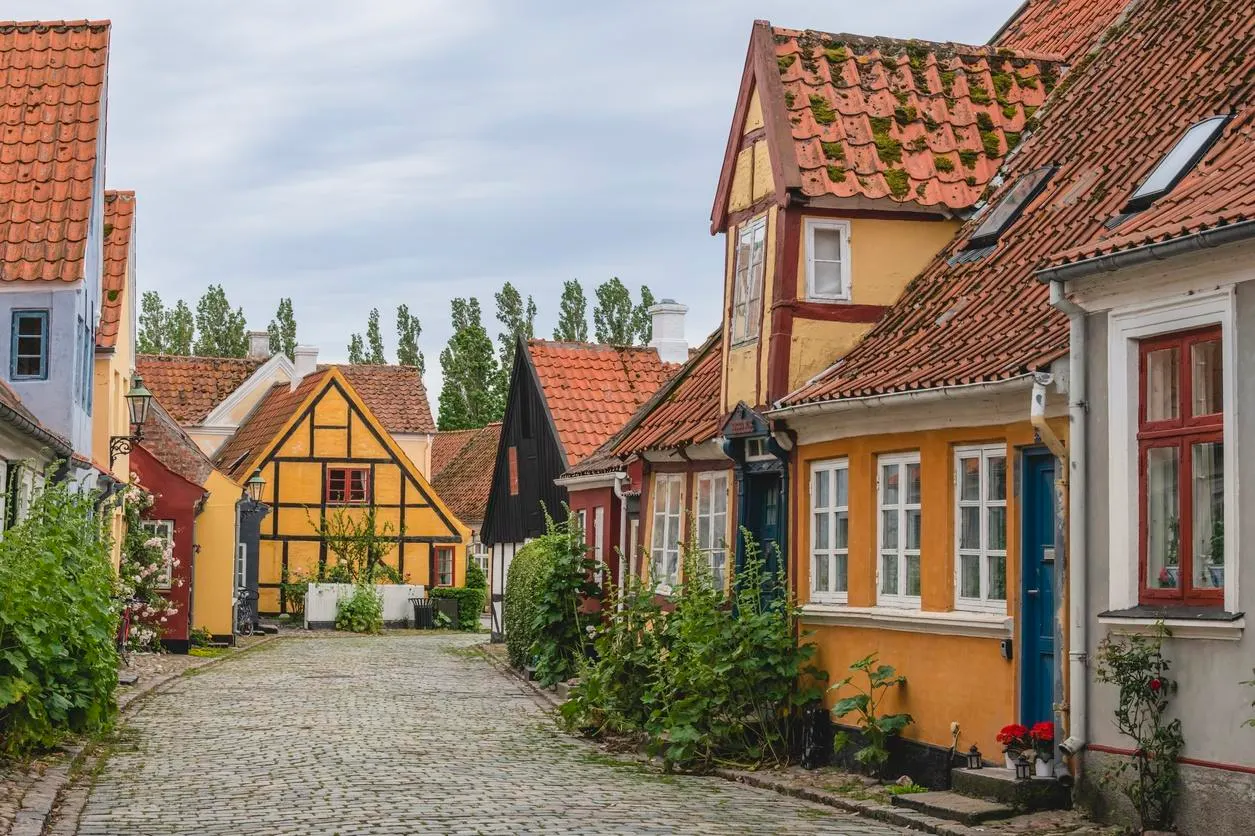
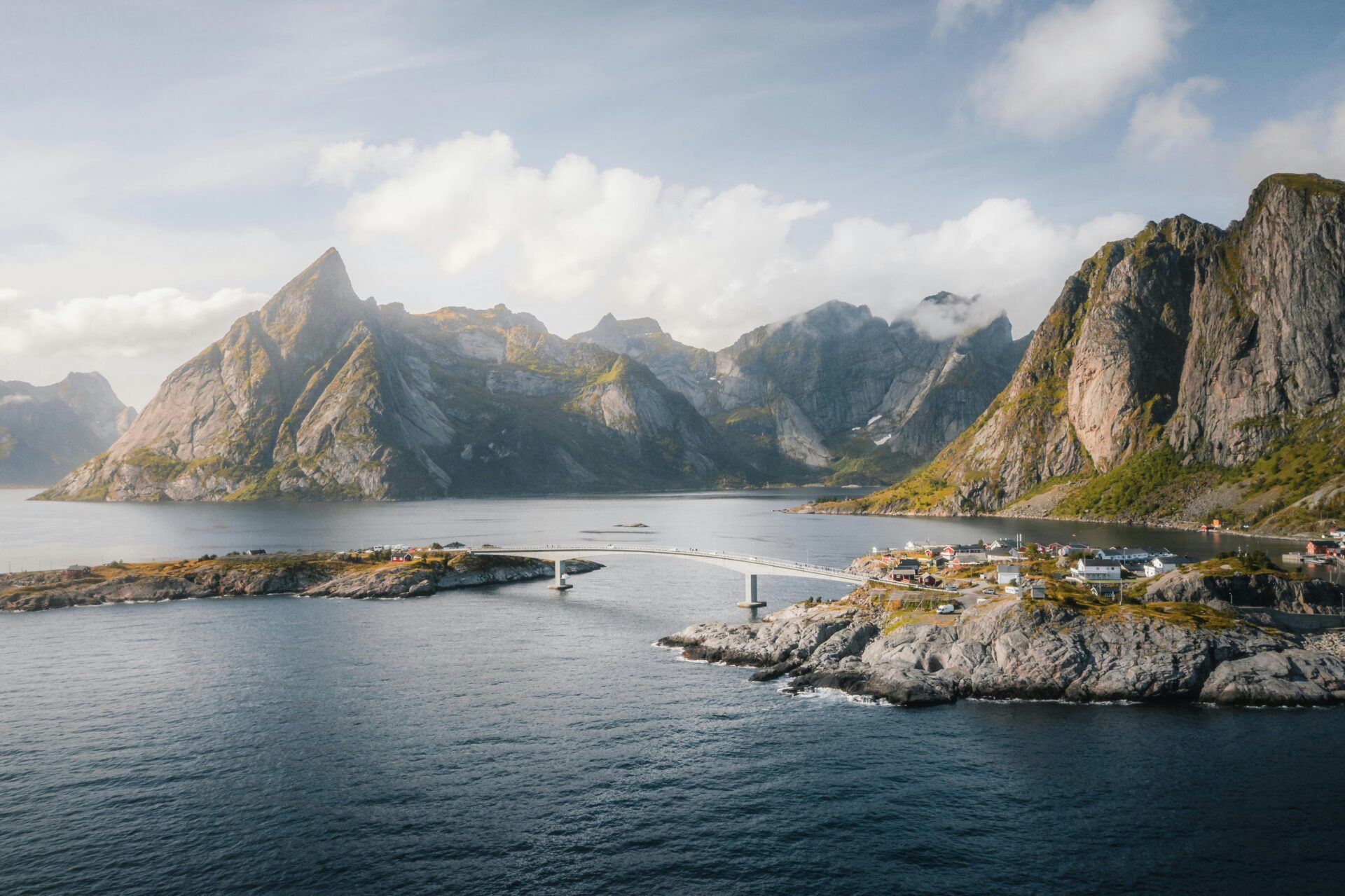
Few islands in Scandinavia are as spectacular as the Lofoten Islands. Located above the Arctic Circle, this dramatic archipelago is known for its sharp mountain peaks, fishing villages and white-sand beaches. So a visit here will allow you to experience the midnight sun in summer and the polar night in the winter.
For an authentic Norwegian experience, book a night (or several!) at the Eliassen Rorbuer, a collection of renovated fisherman’s cottages surrounded by dramatic fjords.
The Lofoten archipelago is surprisingly big, so taking a tour might be the best way to see it all.
We recommend this 2-day photography tour around the Lofoten islands, which will also help you get the best shots of this scenic spot.
Öland, Sweden
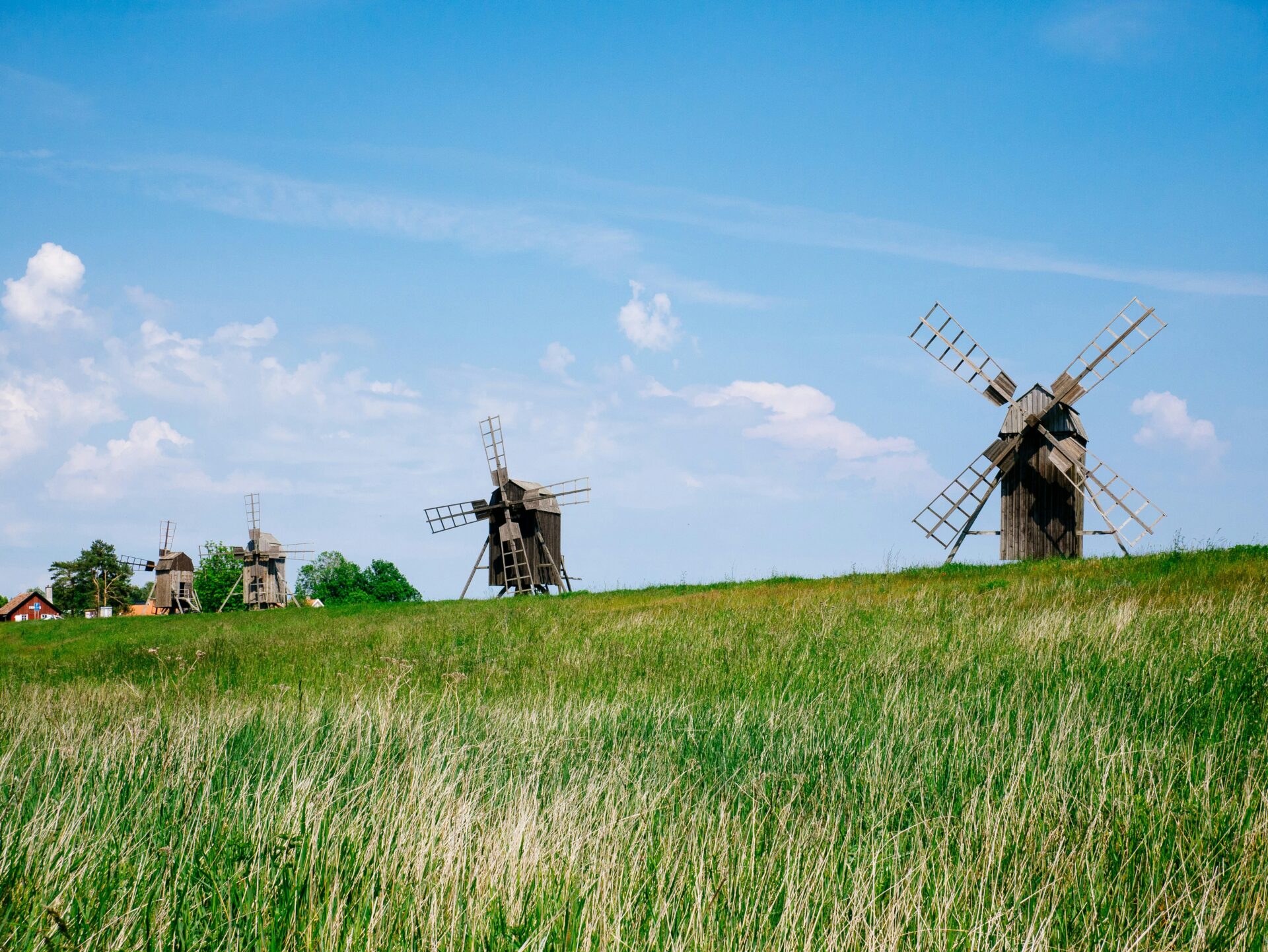
Sweden’s second-largest island, Öland remains a favourite summer destination for the Swedish royal family and countless Swedes.
The island has a full calendar of events, such as concerts and food festivals during the summer, while the coastal village of Böda has a popular campsite.
Off the southeastern side of Sweden, Öland is easily accessible from the mainland via the Öland bridge, making it a convenient destination for a short holiday or weekend getaway.
Want to feel like royalty? Stay at Drottning Victorias Hotell & Vilohem, just a 10-minute stroll from Borgholm Castle with beautiful garden views from the windows.
Samsø, Denmark
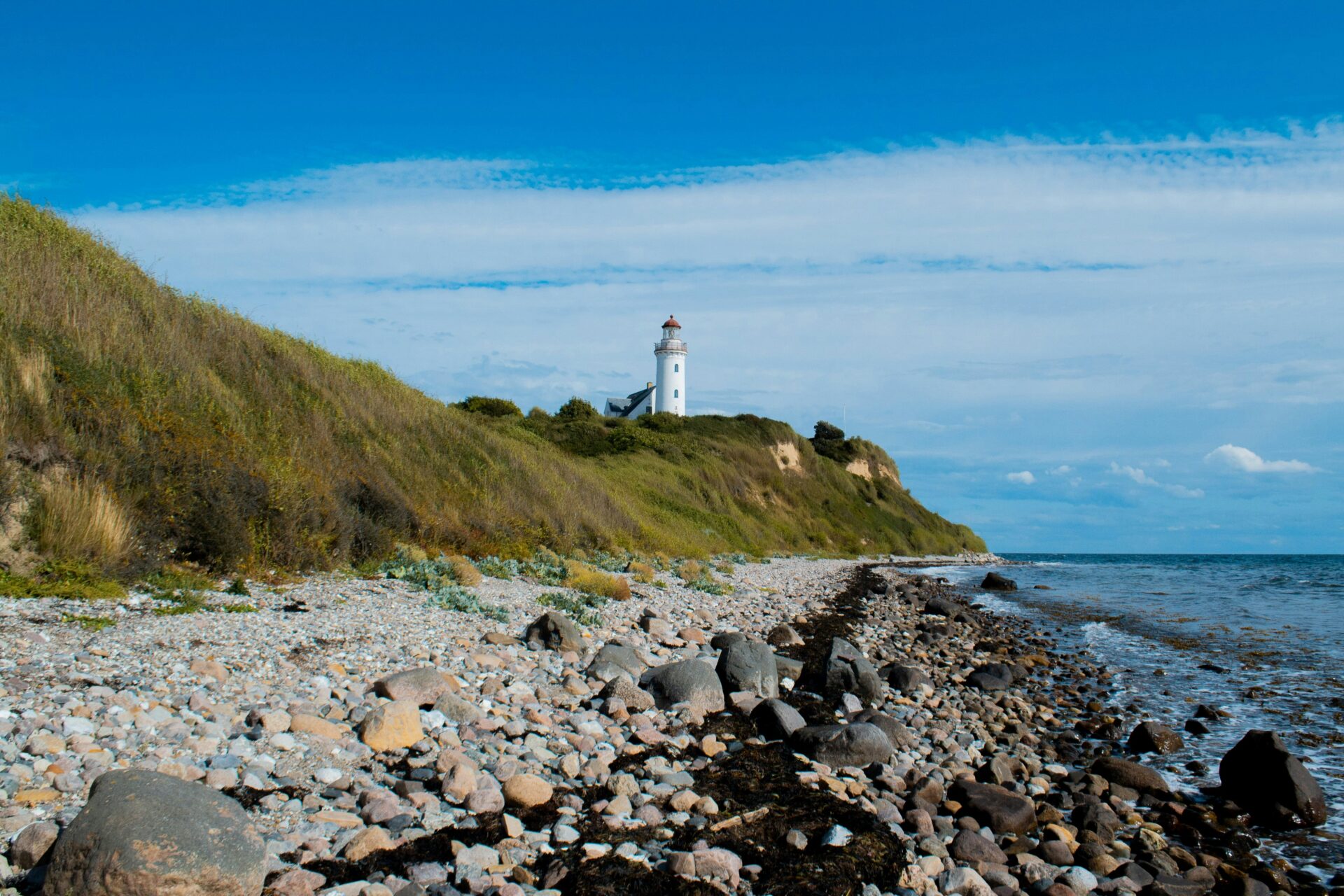
WIth its quaint villages and plethora of outdoor activities, the island of Samsø is located in the Kattegat sea, between the provinces of Jutland and Zealand.
Samsø is one of Europe’s best-known sustainable tourism destinations and has become a global model for renewable energy.
That means that it produces more energy than it uses, with a combination of wind turbines, biomass and solar power.
This makes it a popular destination for those who are interested in sustainable living and environmental conservation.
If you want to stay, this stunning apartment is a cosy space with sea views, just a few steps away from Ballen Strand.
Svalbard Archipelago, Norway
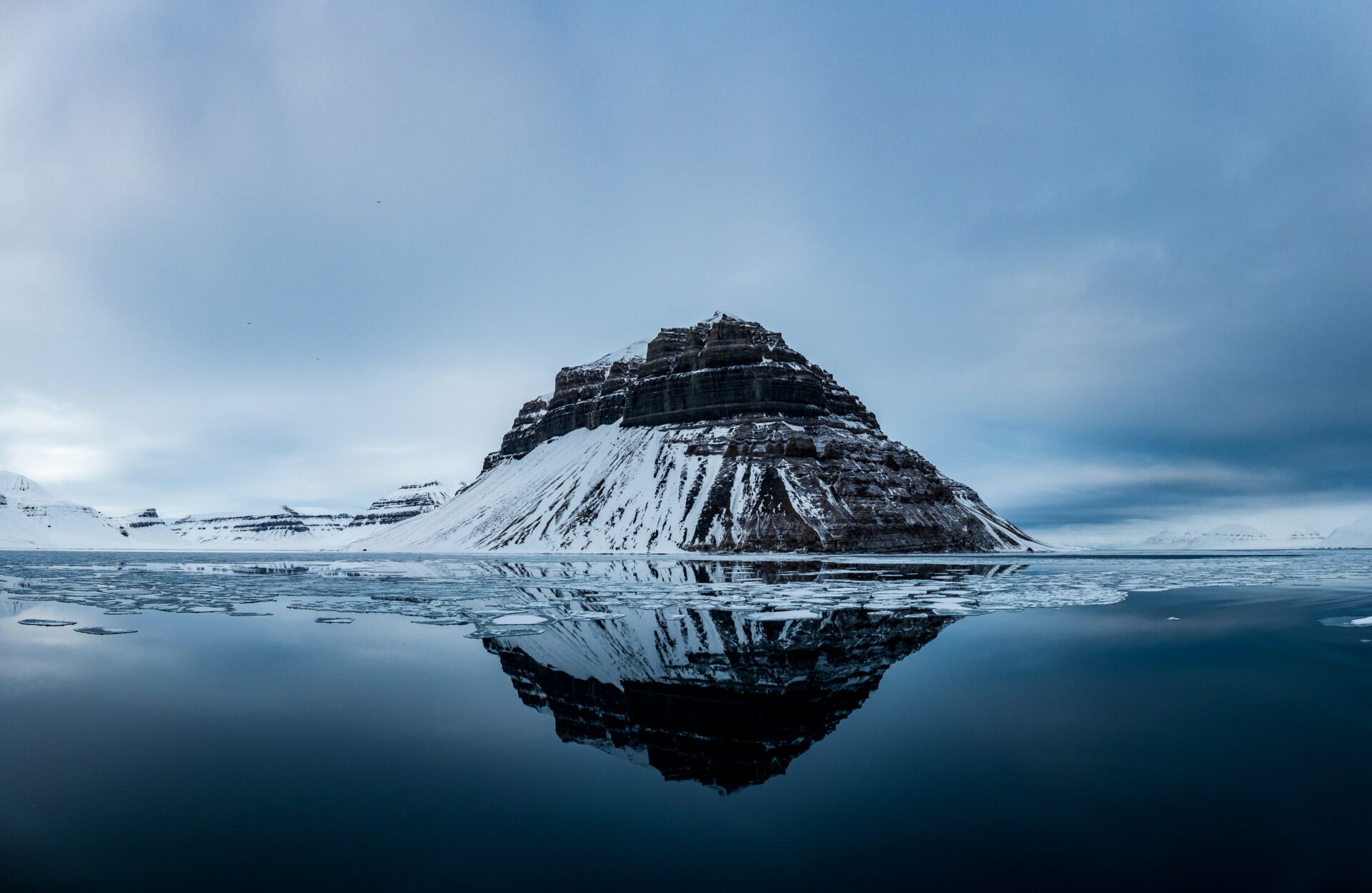
Not your typical summer destination… But for travellers looking for a true Arctic adventure, few destinations can match Svalbard.
Located 1,985 km (1,233 miles) north of mainland Norway, Svalbard is known for its unique Arctic landscapes and wildlife such as polar bears and reindeer. The island is remote with limited tourist facilities, but that is part of the appeal for those interested in nature and adventure tourism.
If you’re lucky enough to make the trek up to Svalbard, Mary-Ann’s Polarrigg is centrally located so makes a good base for exploring the island.
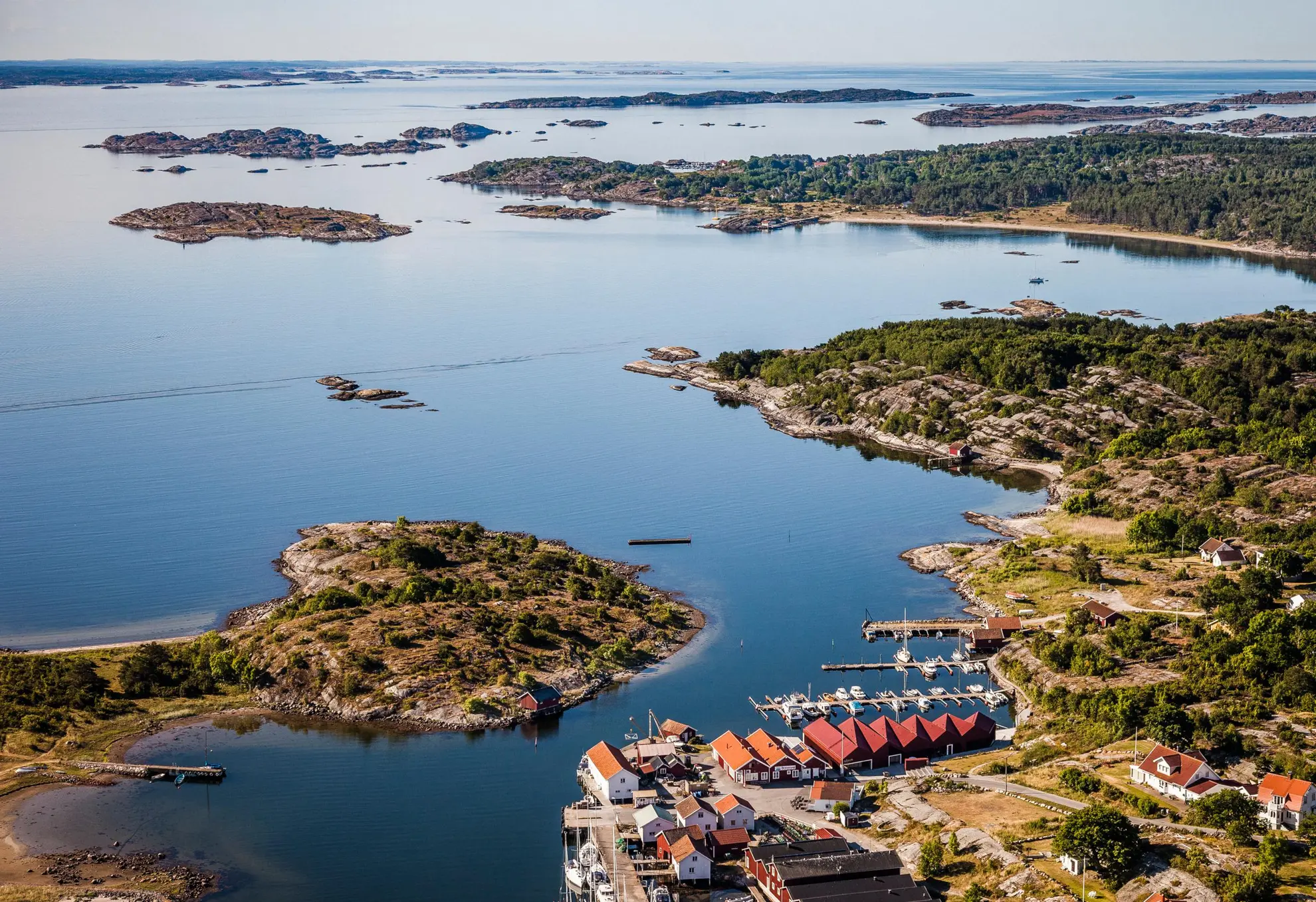
Koster Islands, Sweden
Located just south of the Norwegian border, the Koster Islands are one of Sweden’s best destinations for nature lovers. The islands form part of Kosterhavet National Park, Sweden’s first marine national park, with excellent opportunities for hiking, kayaking and swimming.
Cars are largely absent, giving the islands a peaceful atmosphere that feels far removed from everyday life. During summer, ferries connect the islands to the mainland, making them an easy addition to a west coast Sweden itinerary.
Bornholm, Denmark
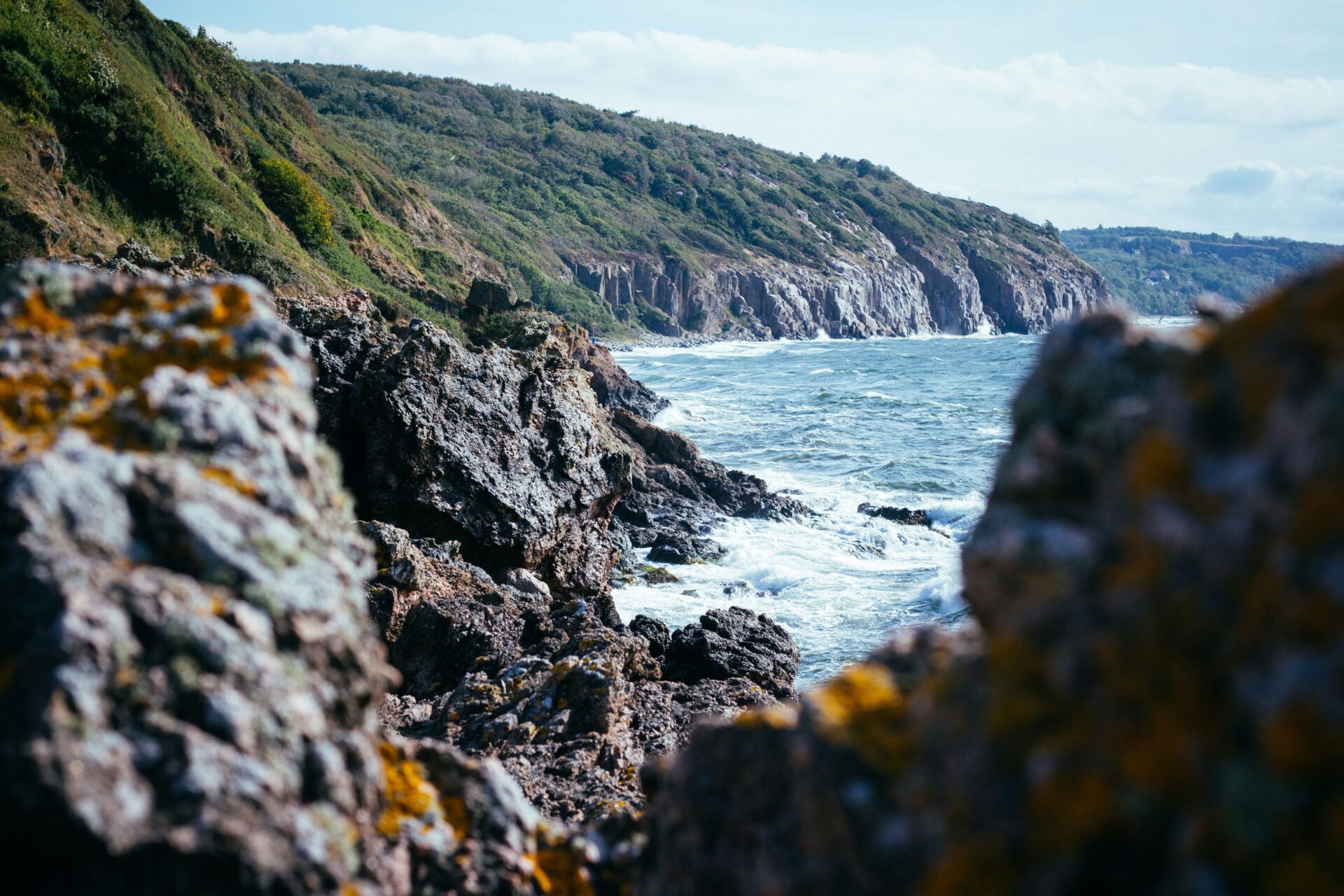
Bornholm is located off the southern coast of Sweden but is a province of Denmark. The island is home to several unique landmarks, such as the Hammershus castle ruins and several impressive churches.
It’s also known for the local cuisine, particularly smoked fish. Not only will you discover the beauty of the island, but also eat all of the delicious food it has to offer!
If you want to stay, try the Strandhotel Balka Søbad, which is close to bright sandy beaches, with a lovely heated pool and beautiful surroundings.
Senja, Norway
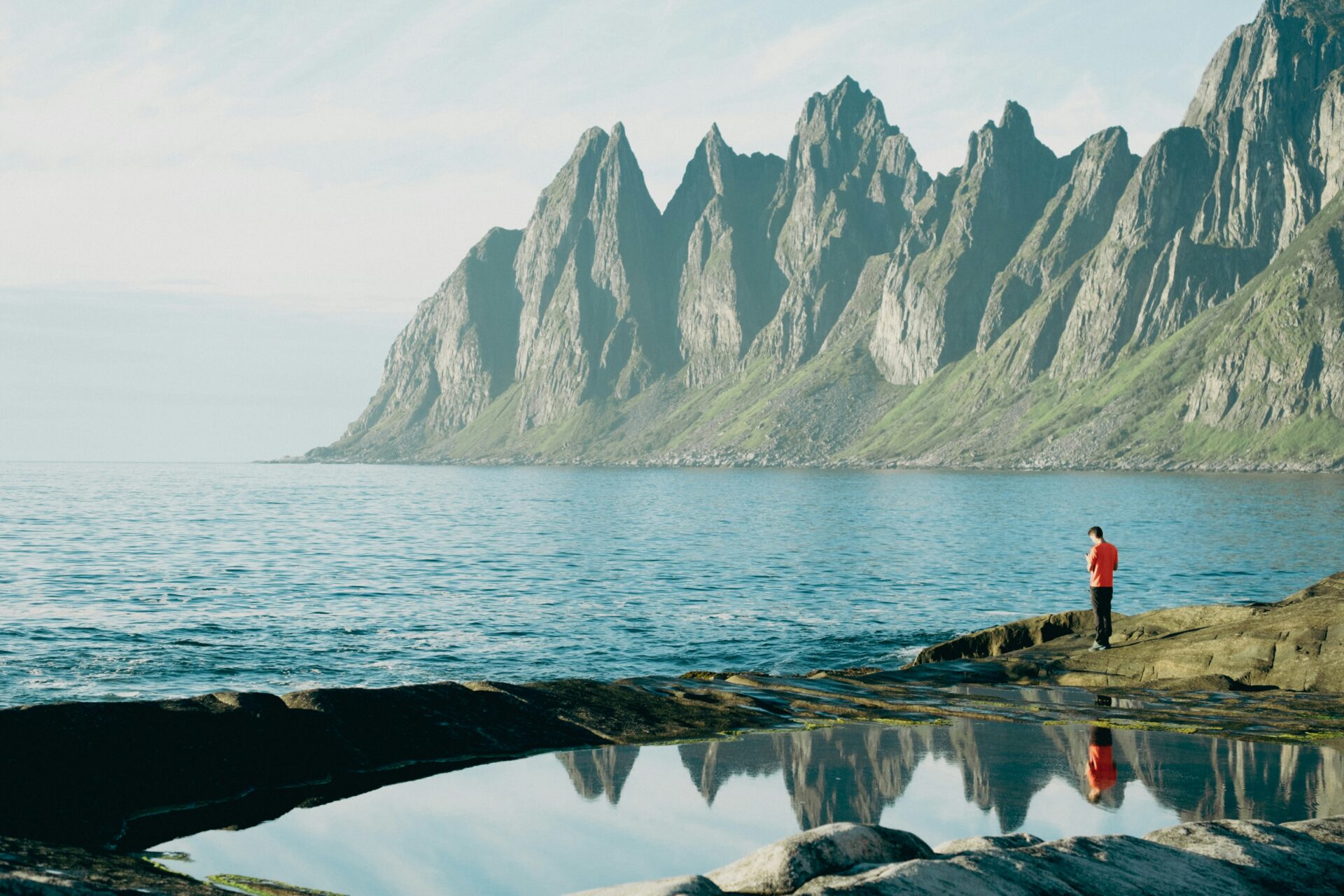
Often described as “Lofoten without the crowds”, Senja has become one of Norway’s most exciting island destinations. Expect dramatic mountain scenery, white-sand beaches, scenic driving routes and some of the country’s best hiking trails.
While the island is large enough to explore for several days, even a short visit offers a taste of northern Norway’s spectacular landscapes.
Marstrand, Sweden
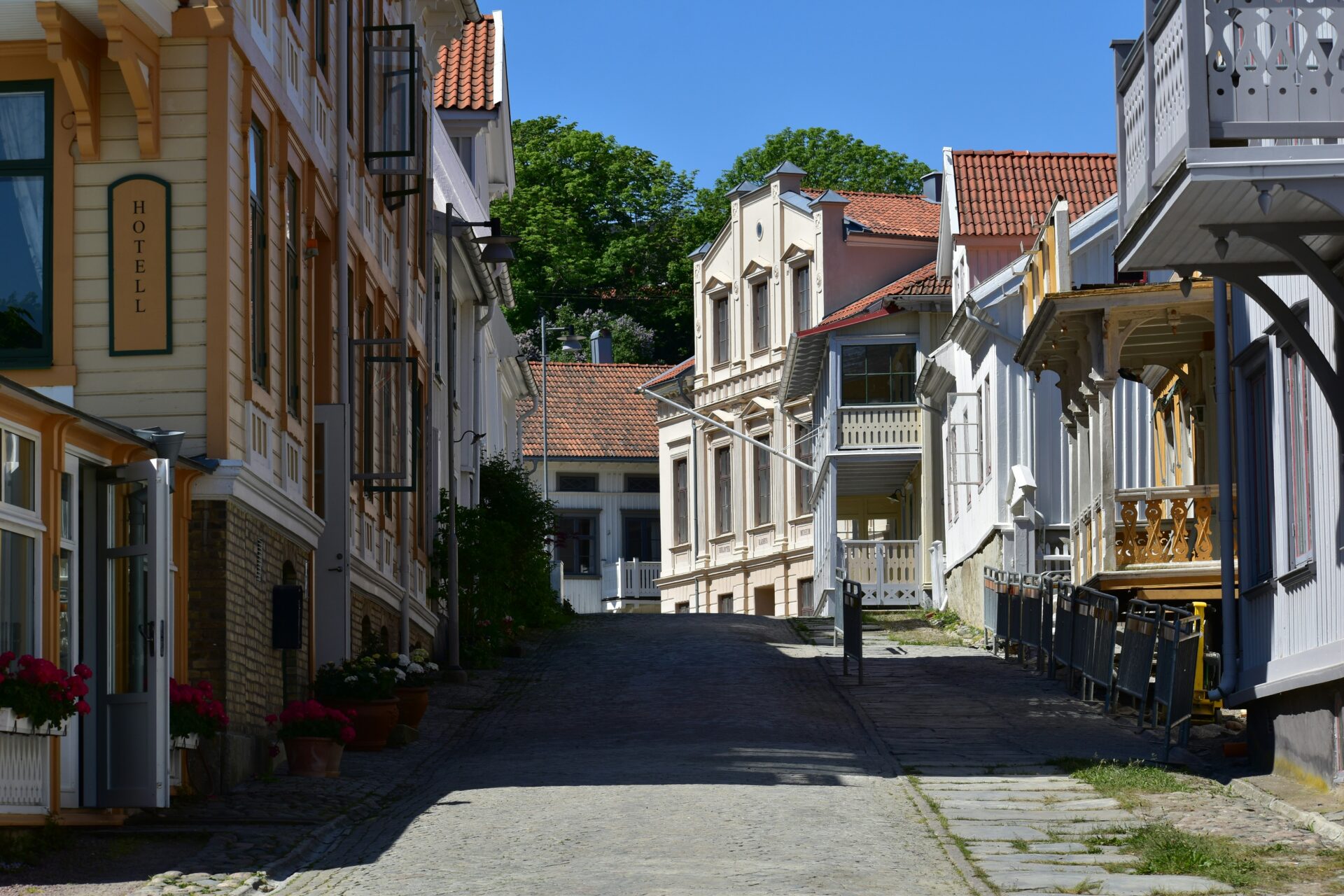
Often called Sweden’s sailing capital, Marstrand combines maritime history, coastal scenery and one of the country’s most attractive island towns. It also makes an easy day trip from Gothenburg.
Popular for its charming historical architecture, beautiful nature and lively atmosphere, it’s also home to the 17th-century Carlsten fortress.
Marstrand also hosts several festivals during the summer months and has a variety of restaurants and cafes, ranging from traditional seafood restaurants to trendy cafés and bars.
The Grand Hotel Marstrand certainly is grand: this 1800s hotel is set in a former royal summer residence and is beautifully renovated. It’s also centrally located to all of the shops and restaurants.
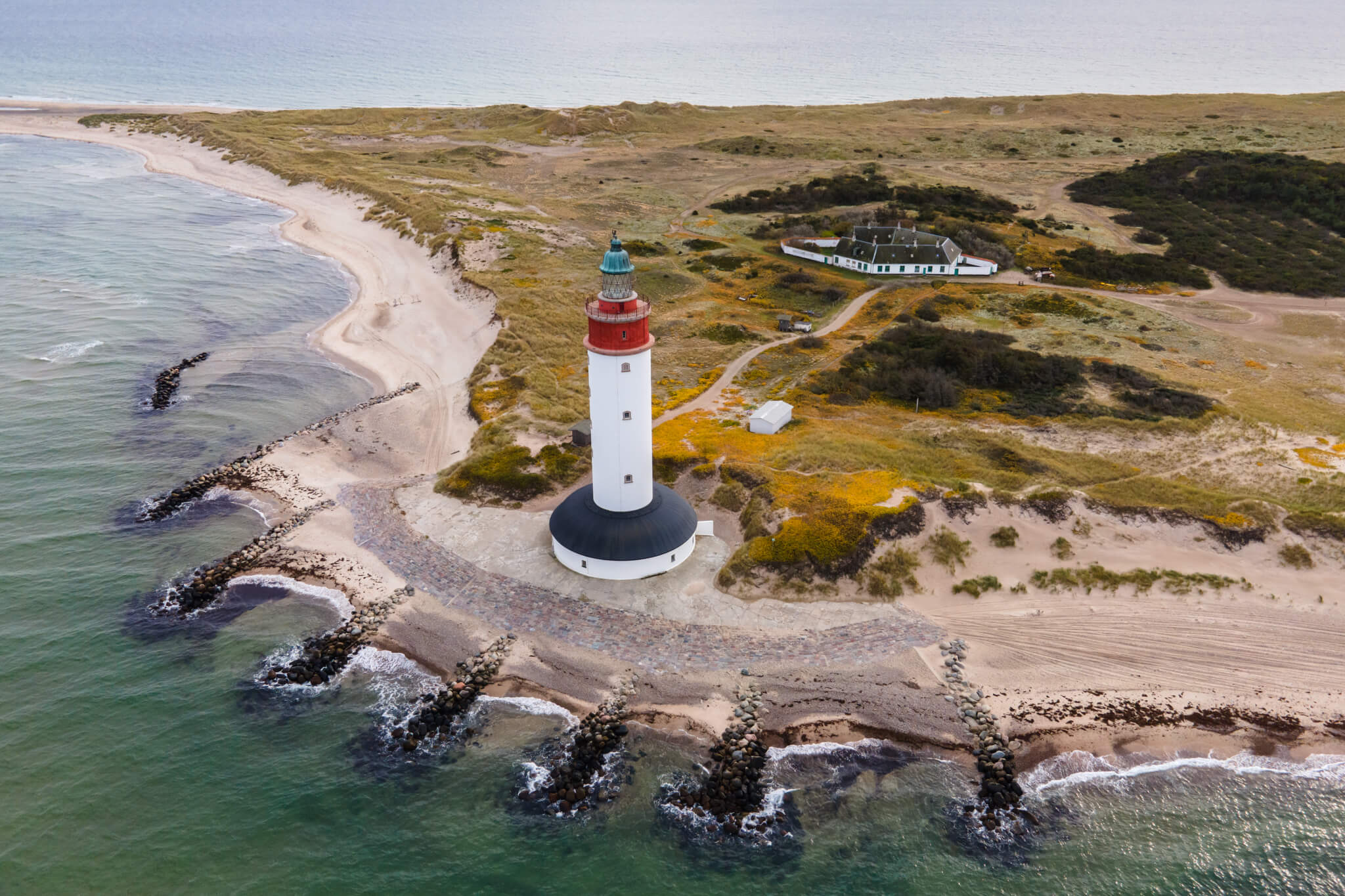
Anholt, Denmark
Anholt is a small Danish island located in the Kattegat Sea, between Denmark and Sweden. Known for its long sandy beaches and surprisingly sunny climate, Anholt feels very different from mainland Denmark, and is sometimes referred to as “the Gran Canaria of the North”.
Because of its remote location, Anholt makes an excellent place to do some stargazing. So if you fancy swimming in the sea or observing the constellations, it’s a good destination.
At the Pakhuset Anholt guest house, you can fall asleep to the sound of the sea. It’s next to the harbour in the village of Flakket, with cosy rooms and terraces where you can cook a barbecue with views of the sea.
Ven, Sweden
Located in the Öresund Strait between Sweden and Denmark, Ven is one of the easiest Scandinavian islands to visit. Cars are rare here, and most visitors explore by bicycle, stopping at beaches, cafés and viewpoints along the way.
The island makes a perfect day trip from either Malmö or Copenhagen and offers a slower pace of life just a short ferry ride from both cities.
Other Scandinavian islands worth visiting
With thousands of islands scattered across Scandinavia, narrowing the list down to just 12 was never going to be easy. A few destinations narrowly missed out but are still well worth considering.
Off Sweden’s west coast, the remote Väderöarna archipelago offers excellent hiking, birdwatching and a true escape from modern life. The islands are also home to seals, sea eagles and some of the most pristine coastal scenery in western Sweden.
Near Kristiansand in southern Norway, Bragdøya is a peaceful island known for its walking trails, historic buildings and quiet natural setting. It’s an easy place to slow down and enjoy a different side of Norway.
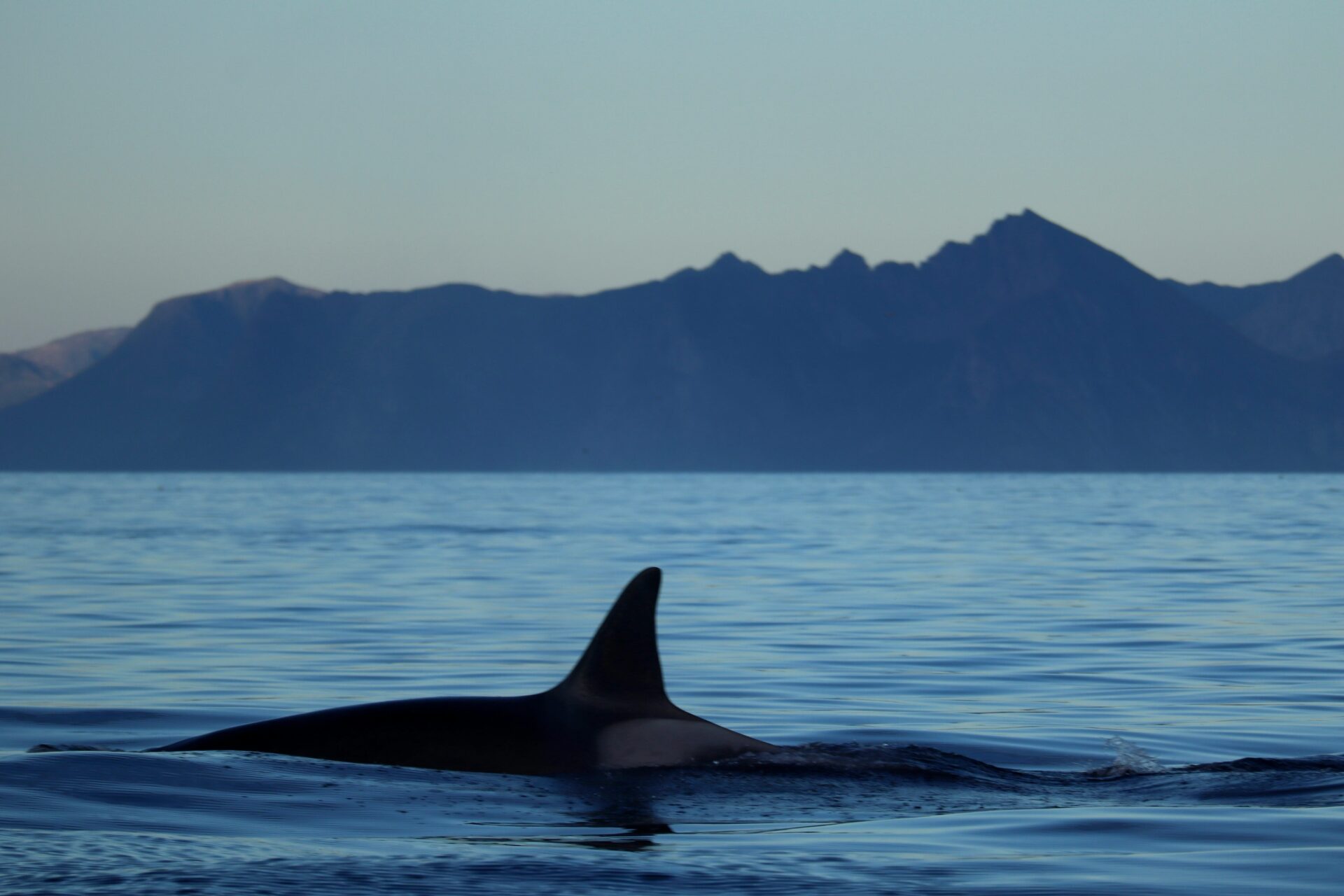
Further north, Skjervøy remains one of Norway’s best destinations for whale watching. During winter, orcas and humpback whales gather in the surrounding fjords, attracting wildlife enthusiasts from around the world.
If you have the time to venture beyond the main tourist trail, these islands can be just as rewarding as some of Scandinavia’s better-known destinations.
The Best Finnish Islands to Visit
Strictly speaking, Finland is not part of Scandinavia, which is why Finnish islands haven’t been included in the list above. However, if you’re exploring the wider Nordic region, there are a few Finnish islands that are well worth considering.
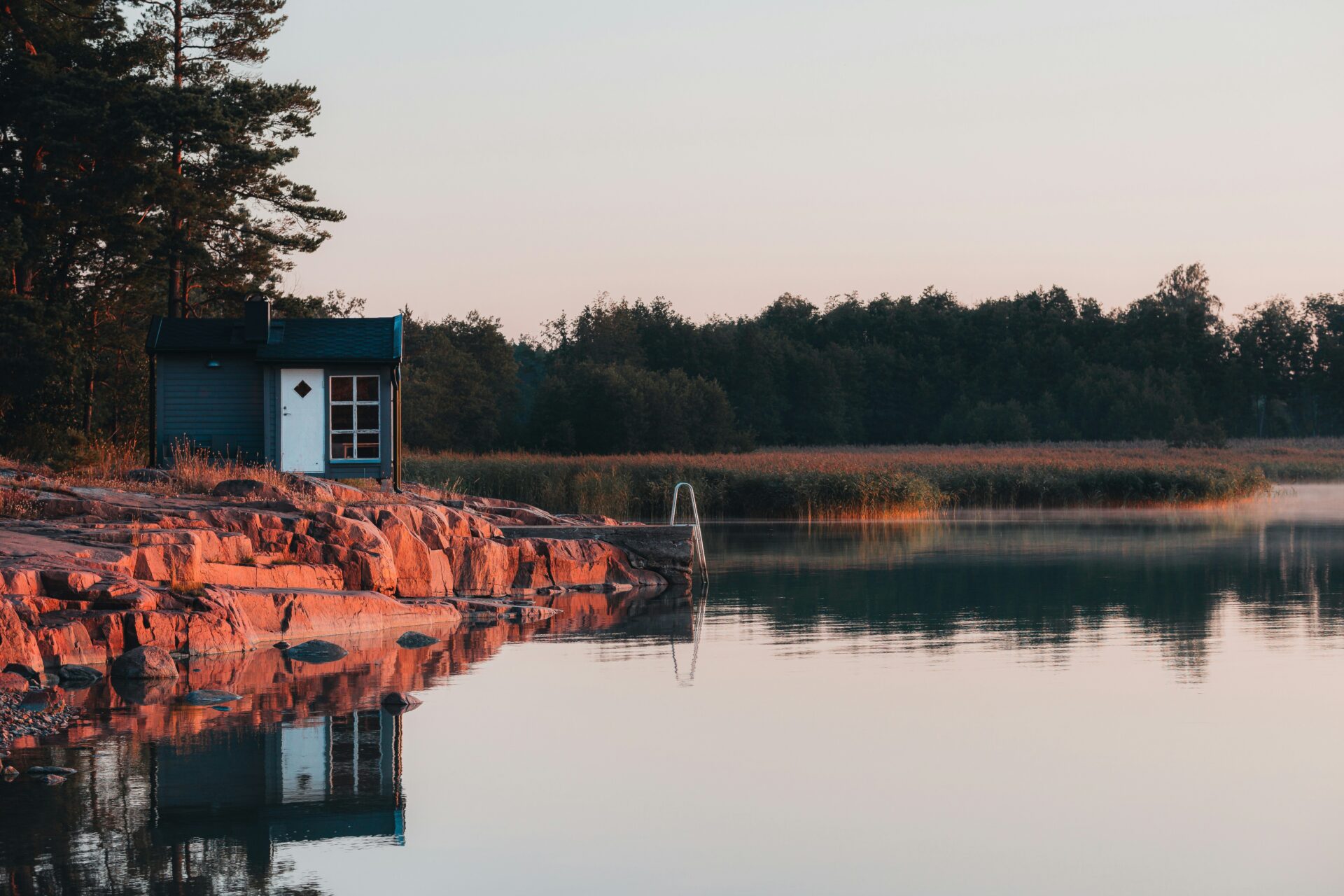
The most famous are the Åland Islands, a self-governing archipelago of more than 6,000 islands located between Sweden and Finland. Swedish-speaking and known for their cycling routes, maritime culture and peaceful scenery, Åland offers a unique blend of Nordic influences.
Another popular destination is the Turku Archipelago, one of the largest island groups in the world. With scenic ferry routes, traditional fishing villages and quiet forested islands, it’s a great choice for travelers looking to get off the beaten path.
Top 10 Scandinavian islands by area
And if you want to know which are the biggest Scandinavian islands, here are the top ten largest islands in Scandinavia by area.
If you include Norway’s remote Svalbard archipelago, the two largest islands in the Nordic region are both located far above the Arctic Circle. Meanwhile, Sweden’s largest island, Gotland, and Denmark’s largest island, Zealand, are among the biggest inhabited islands in Scandinavia.
| 1 | Spitsbergen, Svalbard, Norway | 37,673 km² |
| 2 | Nordaustlandet, Svalbard, Norway | 14,467 km2 |
| 3 | Zealand, Denmark | 7,031 km² |
| 4 | Edgeøya, Svalbard, Norway | 5,073 km2 |
| 5 | North Jutlandic Island, Denmark | 4,685 km² |
| 6 | Gotland, Sweden | 3,183 km² |
| 7 | Funen, Denmark | 2,985 km² |
| 8 | Hinnøya, Norway | 2,205 km2 |
| 9 | Senja, Norway | 1,586 km2 |
| 10 | Öland, Sweden | 1,342 km² |
Which Scandinavian island will you visit first?
From the dramatic peaks of Lofoten and Senja to the sandy beaches of Bornholm and Öland, Scandinavia’s islands offer an incredible variety of landscapes and experiences. Whether you’re planning a summer road trip, an island-hopping adventure or simply looking for a quieter escape, there’s no shortage of unforgettable destinations to choose from.
Have you visited any of these Scandinavian islands, or do you have a favourite that deserves a place on the list? Let us know in the comments below.
See also:
9 amazing islands in northern Norway
5 of the best islands in the Stockholm archipelago
The top 12 Swedish islands
5 of the best islands in Gothenburg archipelago