Renting a car in Scandinavia has obvious appeal. Quiet roads, dramatic coastlines, red cabins, mountain passes, and the freedom to stop whenever the view gets ridiculous are all part of the charm. In the right places, having your own wheels can turn a good trip into a brilliant one.
That said, car hire in this part of Europe can be expensive. It can also be unnecessary, especially if your plans mostly involve big cities, trains, and ferries. Parking can be awkward, fuel is rarely cheap, and rental agreements often come with small print worth reading properly. Before booking a car for the whole trip, it helps to think carefully about where it will make your journey easier, where it might slow you down, and what the real costs are likely to be.

When Renting a Car in Scandinavia Makes Sense
A rental car is often worth it when your trip is built around scenery rather than cities. If you want to explore Norwegian fjords, Swedish lakes, remote cabins, fishing villages, or national parks, driving gives you a kind of freedom that public transport rarely matches.
This is especially true in Norway, where many of the most memorable routes involve fjords, mountain roads, ferries, and viewpoints that are awkward to reach without your own vehicle. If Norway is a big part of your itinerary, it’s worth reading up on renting a car in Norway before deciding how much of the trip should be done by road.
A car can also make sense if you’re travelling with kids, carrying outdoor gear, or heading somewhere with limited buses outside the summer season. In rural areas, having a car can be the difference between a relaxed day and a lot of waiting around.
The real appeal is flexibility. Scandinavia is full of places where the best stop of the day is the one you didn’t plan: a roadside beach, a fjord viewpoint, a tiny café near a ferry dock, or a forest trail that looks far too tempting to ignore.

When Public Transport Is Probably Easier
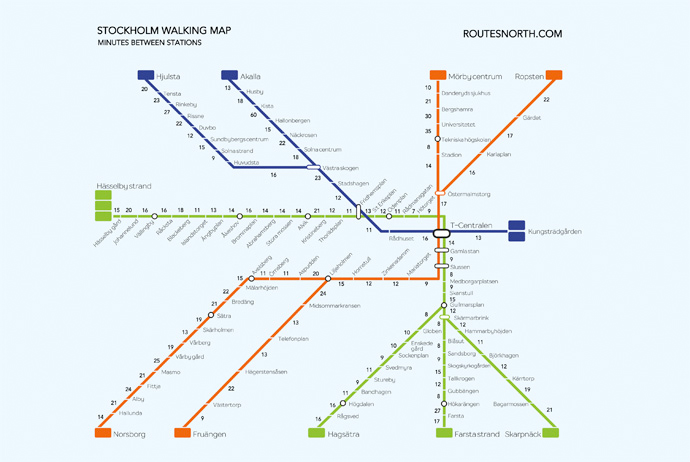
A car is usually more trouble than it’s worth if your trip is focused on big cities. Copenhagen, Stockholm, Oslo, and Helsinki all have good public transport, and driving between hotels, museums, restaurants, and old-town streets can quickly become a chore.
Parking is often expensive, local rules can be confusing, and some central areas are far easier to enjoy on foot, by bike, or by tram. If your itinerary is mostly capitals, airports, and major train stations, skipping the car could save both money and stress.
For longer trips, a mix-and-match approach often works best. Use trains or buses between cities, then rent a car for the part of the journey where it genuinely pays off. That might mean a few days exploring the countryside, the coast, or the mountains, rather than paying for a car while it sits in a city car park.
For more Routes North ideas, see our itineraries.
The Biggest Costs to Budget For
The rental price is only the starting point. Fuel is expensive across Scandinavia, and long distances can make even a small car feel like a serious travel expense. Automatic cars often cost more than manuals, and prices can climb quickly in summer or around popular pick-up points.
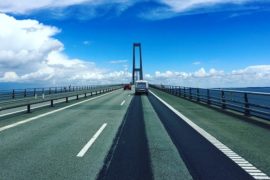
Tolls, ferries, and bridges can add more than expected. Norway is the obvious example, especially if your route includes long drives, tunnels, or ferry crossings. Denmark and Sweden can bring extra road costs as well, particularly around bridges, city zones, and longer cross-border routes.
Parking is another easy cost to underestimate. In city centres, spaces can be expensive, limited, and tightly controlled. In smaller towns and rural areas, parking is usually simpler, but local signs still matter. A cheap parking mistake can spoil the mood surprisingly fast.
Insurance, Excesses and Small Print
Insurance can be the most confusing part of renting a car in Scandinavia. The headline price may look reasonable, but the excess can still be high if the car is damaged or stolen. Some policies exclude tyres, windscreens, roof damage, underbody damage or driving on certain roads, so it’s worth reading the terms before you arrive at the desk.
The European Consumer Centres Network has a useful guide to car rental rights in Europe, including common issues around damage charges, insurance coverage, and fuel policies. That kind of small print matters in Scandinavia, where a stone chip, icy road or missed fuel rule can quickly turn into an expensive surprise.
Take photos of the car when you collect it and again when you return it. Check the fuel policy, mileage rules, cross-border restrictions, and the number to call if something goes wrong. It’s boring admin, but it can save a lot of arguing later.
Road Risks Can Change More Than the Scenery
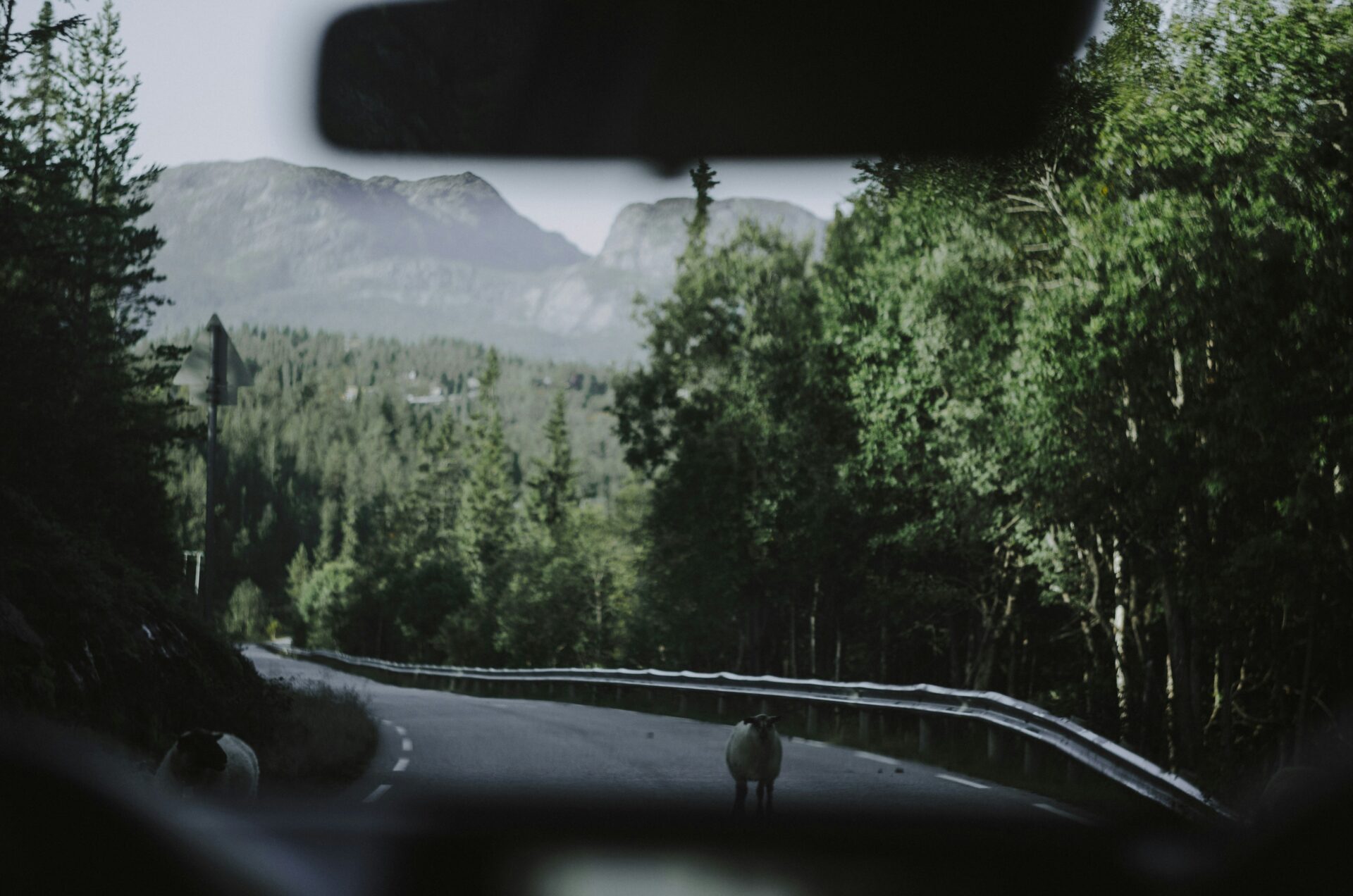
A road trip in Norway can teach visitors to slow down, leave room for ferries, and take mountain roads seriously. In Sweden, the lesson may be different, with long forest roads, wildlife warnings, and winter conditions shaping the way people drive. Denmark brings another kind of adjustment, especially around cyclists, city parking, and shorter distances between stops.
Those habits can still matter once travellers return to the U.S., though the risks often look different. Illinois gives a useful point of comparison because dense urban traffic, suburban roads, and busy interstate routes can sit close together, with commercial vehicles forming a regular part of the mix. When a serious collision involves a trailer, Rosenfeld Injury Lawyers notes that questions around vehicle height, liability, and the details of the impact can become more specific. For this kind of crash, guidance from a Chicago underride truck accident injury attorney may be more useful than a general car-accident resource.
Wisconsin offers a different comparison, with winter driving, rural highways, and cross-state routes that make spacing and patience especially valuable. Michigan adds another useful contrast, particularly with lake-effect snow, longer stretches of highway, and travel between smaller communities. These places do not mirror Scandinavia, but the comparison is a useful reminder: road design, traffic mix, and local responsibility can vary widely from one region to another.

How to Keep Costs Down Without Making the Trip Harder
Book early if you’re travelling in summer, during school holidays, or around popular pick-up points. Prices can rise quickly, especially for automatic cars, larger vehicles, and one-way rentals.
Think carefully about where you collect the car. Airport pick-ups are convenient, but city locations can sometimes be cheaper. The reverse can also be true once you factor in transport to the rental office, opening hours, and the hassle of carrying luggage across town.
Choose the smallest car that will comfortably fit your group and bags. It will usually be cheaper to rent, easier to park and less painful to refuel. Still, don’t go so small that every long drive becomes miserable.
It can also help to rent for only part of the trip. Use trains, buses, or ferries between major cities, then pick up a car for the countryside, coast, or mountains. That way, you get the freedom where it matters without paying for days when the car barely moves.

So, Is Renting a Car Worth It?
Renting a car in Scandinavia is worth it when it helps you reach places that would be slow, awkward, or impossible by public transport. If your trip is built around fjords, islands, cabins, national parks, or small villages, the extra cost can be easy to justify.
It makes less sense if most of your time will be spent in cities. Public transport is usually cheaper, simpler, and less stressful, and you can always rent a car for a few days later in the trip once you’re ready to leave the city behind.
The best approach is to plan the route first, then decide where a car actually adds value. In Scandinavia, freedom is expensive, but on the right itinerary, it can be worth every krona.
Conclusion
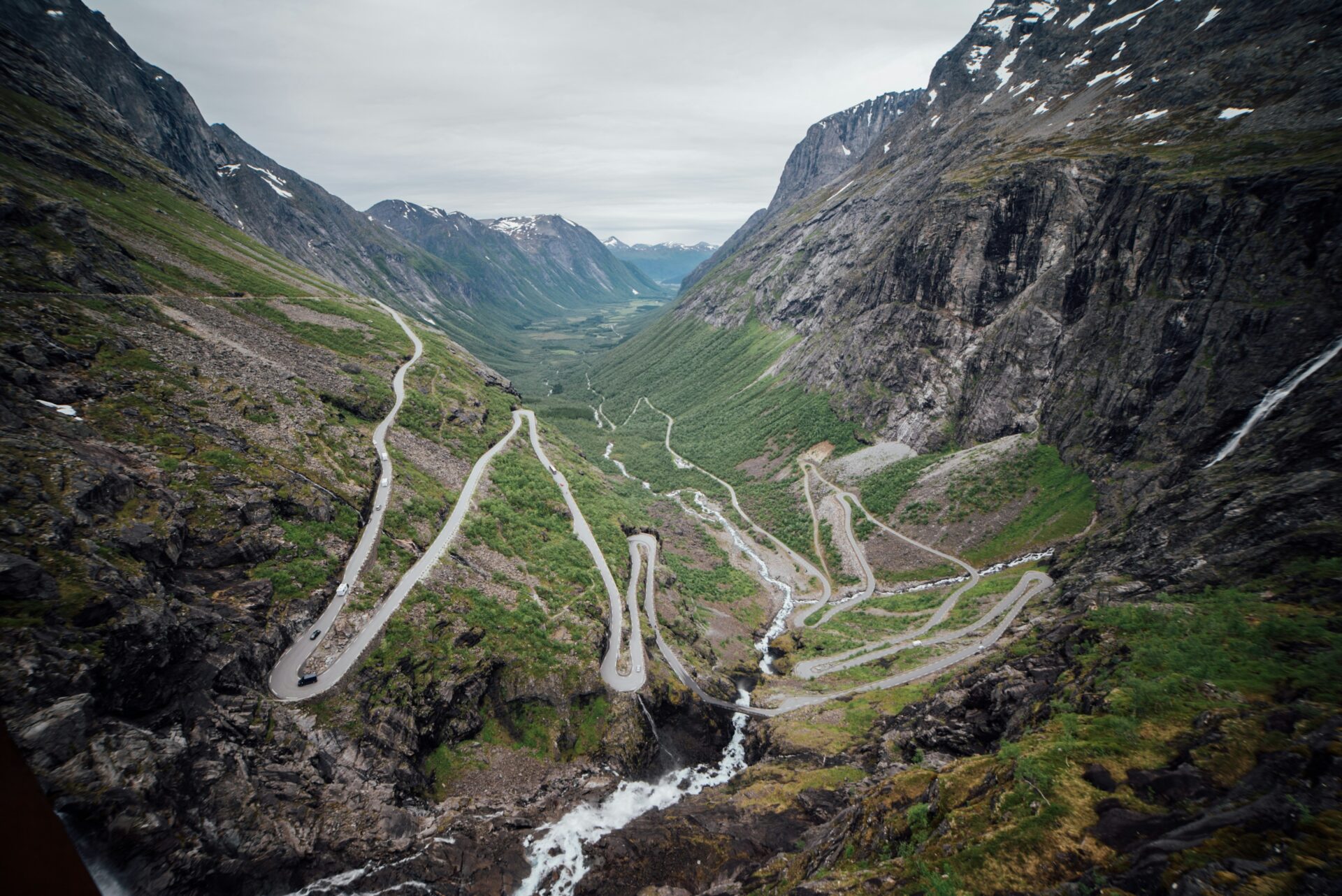
A rental car can make Scandinavia feel wide open, especially when the best parts of the trip sit beyond the train lines and city centres. It gives you flexibility and access to places that are hard to reach any other way.
The trade-off is cost. Fuel, ferries, tolls, parking, insurance, and rental terms can all add up, so it pays to be selective. Rent a car for the parts of the trip where it genuinely improves the journey, and rely on public transport when it makes life easier.