Let’s be real: Scandinavia has a reputation for being the place where travel budgets go to die. Between the legendary $12 pints in Oslo and the eye-watering taxi fares in Copenhagen, it’s easy to see why budget travelers often look elsewhere. But the “expensive” label is mostly just a tax on the unprepared. In 2026, the Nordic landscape is more accessible than ever. With the expansion of the SJ EuroNight rail links and smarter digital tools at our fingertips, you don’t need a CEO’s salary to see the fjords. The secret? Stop acting like a tourist and start living like a local
This guide isn’t about cutting corners; it’s about the “Nordic Hack.” By swapping sterile hotels for architectural hostels and trading overpriced breakfasts for a fresh loaf from Lidl or Rema 1000, you’ll find that Scandinavia’s best features, like the wild coastlines and minimalist design, don’t actually cost an øre. Read on to find our tips for discovering Scandinavia and Finland on a budget.
Smart Sleep: Mastering Nordic Accommodation
The biggest drain on any Nordic budget isn’t the food or the trains, it’s where you sleep. In cities like Stockholm or Oslo, a standard hotel room can take up a large portion of your daily budget, leaving not much for experiences.
We like to compare our options for accommodation, which can be a hassle, jumping between Booking.com and Airbnb tabs. We recommend using cozycozy: a free travel search engine that aggregates all listings from major providers. It shows you a wide range of options – including hostels, apartments and smaller independent stays – on a single map. It’s one of the easiest ways to compare a wide range of options, including budget-friendly hostels.
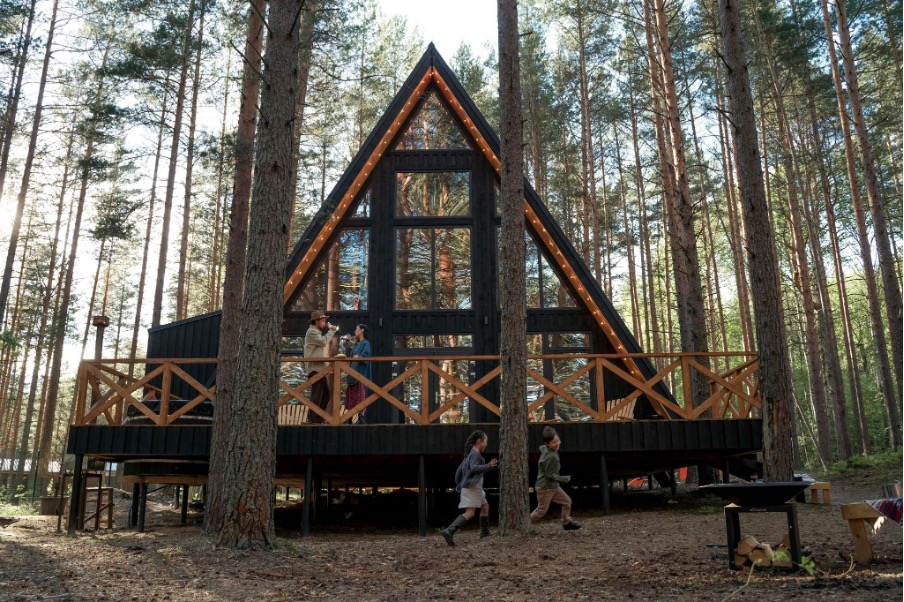
One more tip: don’t just look for hotels, but consider more local options. In Scandinavia, the so-called hytter or stugor are often significantly more affordable, especially outside peak season. These are often listed on smaller local sites, so using a broad search tool can help you spot options you might otherwise miss.

Transport: Getting Around Without the Sticker Shock
Transportation in the Nordics is efficient, clean, and if you aren’t careful, wildly expensive. To navigate like a pro, you need to ditch the ticket counters and embrace the apps.
The Rail Revolution
For long distances, your best friends are the official apps: SJ (Sweden), Vy (Norway), VR (Finland) and DSB (Denmark). The golden rule of travel remains “Early Bird” pricing. Scandinavian rail companies use dynamic pricing similar to airlines; booking three months out can snag you a seat for 490 SEK ($45) that would cost triple on the day of travel.
Mastering the Night Train
The ultimate budget hack is the sleeper train. By booking a bed on the SJ EuroNight from Stockholm to Abisko or the Vy night train from Oslo to Bergen, you combine the cost of transport and a night’s accommodation. It’s a literal “moving hostel” that wakes you up in the heart of the fjords or the Arctic Circle, saving you $150 on a hotel bill in the process.
Bus Travel & City Transit
If the trains are still too steep, FlixBus and Vy Bus are the reliable, low-cost alternatives, often running routes between major hubs like Copenhagen and Gothenburg for under €35. Once you arrive in the city, never buy single-ride tickets. In Stockholm, a single fare is roughly 43 SEK, but a 24-hour SL pass (180 SEK) pays for itself in just a few trips. Whether it’s the Ruter app in Oslo (the official, all-in-one public transportation app) or Dot in Copenhagen (official app for purchasing public transport tickets), always aim for 24-hour or 72-hour passes to unlock unlimited metro, bus, and even ferry rides.

Eating and drinking on a dime
In the Nordics, a single dinner at a mid-range restaurant can easily cost as much as your flight. To keep your budget intact, you need to change how and when you eat.
Choose the grocery store
If you’re staying in a place with a kitchen, the supermarket is your sanctuary. Avoid the smaller “Express” shops in city centers and head to the heavy-hitters of value: Lidl, Netto, and Rema 1000. In Sweden, look for Willys for the best bulk prices. You can grab a fresh loaf of bread, some local cheese, and a bag of apples for less than the price of a single Starbucks latte.
The “Dagens Rätt” strategy
If you want the restaurant experience without the $50 bill, eat like a local worker. In Sweden, look for Dagens Rätt (the daily special). In Norway, Finland and Denmark, check for similar lunch deals. Served typically between 11:00 am and 2:00 pm, these usually cost around 125–150 SEK/NOK ($12–$15) and often include a main dish, salad bar, bread, and coffee. It’s the highest quality meal you’ll get for the lowest possible price.
Street food & hidden halls
- Denmark’s Pølsevogne: These iconic hot dog stands are a Danish institution. A “Rød Pølse” is a quick, delicious meal for around 35–45 DKK.
- Stockholm’s Food Halls: Head to Hötorgshallen. It’s a subterranean maze of international food stalls where you can grab a world-class fish soup or a kebab for a fraction of the price of the bistros upstairs.
- Helsinki’s Market Halls: Step inside the Old Market Hall or Hakaniemi Market Hall for hearty Finnish soups, salmon sandwiches and pastries: a warm, local alternative to pricey harborfront restaurants.
- Oslo’s Food Halls & Kiosks: Try Mathallen for a range of takeaway options under one roof, or grab a classic hot dog from a local kiosk like Syverkiosken for one of the city’s simplest budget bites.
The alcohol factor: know your monopolies
Alcohol is very expensive because of high taxes. Only a pint at a bar can run you $10–$15.
- The Monopoly: In Sweden, Norway and Finland, spirits, wine and strong beer are sold through state-run shops: Systembolaget (Sweden), Vinmonopolet (Norway) and Alko (Finland). These stores often close early and are usually shut on Sundays, so plan ahead. Denmark does not have a similar system.
- The Hack: Locals embrace “Pre-loading” (förfest). Buy your drinks at the state store (where prices are actually reasonable by international standards) and enjoy them at your accommodation.

Sightseeing for free (or cheap)
Scandinavia’s greatest asset: its staggering natural beauty. And fortunately, it is the only thing that hasn’t succumbed to inflation. In 2026, you can still experience the best of the Nordics for exactly zero dollars.
The right to roam: Allemansrätten, Friluftsloven and Jokaisenoikeus
Sweden, Norway and Finland all have versions of the “Right of Public Access”, known as Allemansrätten (Sweden), Friluftsloven (Norway) and Jokaisenoikeus (Finland). These laws allow you to hike, cycle and even pitch a tent for a night or two on uncultivated land. The guiding principle is simple: “Do not disturb, do not destroy.” In Norway, you must camp at least 150 meters from the nearest inhabited house; in Sweden and Finland, you should stay well away from homes and out of sight. Take your rubbish with you, respect nature, and you’ve got a five-star view for free. Denmark does not have a comparable right, and wild camping is generally only permitted in designated areas.
High-end culture, no entry fee
While some flagship attractions have hefty price tags, both Stockholm and Copenhagen offer incredible access to world-class art and history for free:
- Stockholm: The Nationalmuseum (art and design) and the Historiska Museet (Viking history) frequently offer free entry to permanent collections. Check out Moderna Museet on Friday evenings (18:00–20:00) for free admission to one of Europe’s best modern art collections.
- Copenhagen: Entry to the National Museum of Denmark is free for under 18 years, but adults should look for the “CopenPay” initiative. It is a 2026 program where you can earn free museum tickets or meals just for biking or participating in harbor clean-ups. Also, the Botanical Garden and the tower at Christiansborg Palace (the city’s highest viewpoint) are completely free.
- Helsinki: Many museums offer free entry at certain times, including the National Museum of Finland and Kiasma (Museum of Contemporary Art), which regularly hosts free evenings. Helsinki Cathedral and the Oodi Central Library are also free to visit, offering architecture and views without an entry fee.
- Oslo: Several major museums offer free or discounted admission on selected days, and the National Museum has free entry to its permanent collection at certain times of the year. You can also walk the sculpture-filled Vigeland Park or explore the waterfront Opera House roof completely free of charge.
Indulging in nature
Don’t feel pressured to book expensive fjord cruises or “Northern Lights Safaris.”
- The Lights: In Northern Finland, Sweden or Norway, you just need a dark spot and a clear sky between September and March.
- The Archipelago: In Stockholm, use your standard SL transit pass to hop on the ferries to islands like Vaxholm. It’s the same view as the private tours for the price of a bus ticket.
- Hiking: Trails like the Kungsleden (King’s Trail) in Sweden or the walk to Preikestolen (Pulpit Rock) in Norway cost nothing but the energy to climb them. In Denmark, coastal routes such as sections of the Baltic Sea Trail offer wide sea views for free, while in Finland, vast national parks like Urho Kekkonen reward hikers with Arctic wilderness without an entrance fee.

Country-specific quick tips
Every Nordic nation has its own specific “budget bypass.” Here is how to navigate the nuances of Scandinavia plus Finland in 2026.
Sweden: play the exchange rate
In 2026, the Swedish Krona (SEK) continues to be significantly weaker against the Euro and the Dollar than its neighbors. While Denmark and Finland feel the “Euro-crunch,” your money simply goes further in Stockholm. When shopping or booking, always choose to pay in local SEK on your card to get the best possible mid-market rate. It’s the easiest way to snag an automatic 10–15% “discount” compared to the prices in Copenhagen or Helsinki.
Norway: the “Too Good To Go” savior
Norway is arguably the most expensive of the bunch, but it’s also a leader in the zero-waste movement. Download the Too Good To Go app as soon as you land. You can reserve “Surprise Bags” from high-end bakeries and supermarkets like Coop for a third of the retail price. It’s the ultimate way to score a bag of fresh Norwegian skoleboller (custard buns) or a gourmet deli sandwich for under 50 NOK ($5).
Denmark: free wheels and “CopenPay”
In Copenhagen, the bike isn’t just a leisure activity; it’s the primary mode of transport. For 2026, keep an eye out for the CopenPay initiative. This brilliant program rewards travelers with free bike rentals, museum entries, or even a complimentary lunch in exchange for climate-friendly actions like cycling or volunteering in a community garden. Even without a voucher, an app like Donkey Republic offers 24-hour rentals for the price of two bus tickets, giving you total freedom to explore the city’s hidden corners for less.
Finland: supermarket lunches and sauna savvy
Finland may use the euro, but there are still smart ways to cut costs. Many supermarkets such as K-Citymarket and Prisma offer affordable hot lunch buffets on weekdays, often including salad, bread and coffee for far less than a restaurant meal. For relaxation, skip pricey hotel spas and look for public saunas instead. Cities like Helsinki have reasonably priced municipal saunas where you can enjoy the experience for a fraction of the cost of designer waterfront spots. Small choices like these make Helsinki feel far more manageable on a Nordic budget.
Ready to see the Nordics on a budget?
Scandinavia isn’t cheap, but it isn’t impossible either. With the right timing, smart booking habits and a willingness to live a little more like a local, you can experience fjords, forests, saunas and world-class design without draining your savings. Denmark, Sweden, Norway and Finland reward preparation, not deep pockets.
Have you tried any of these budget hacks, or discovered your own? Share your best Nordic money-saving tips in the comments below!