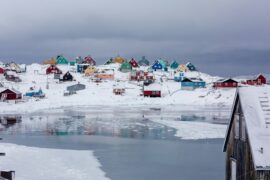
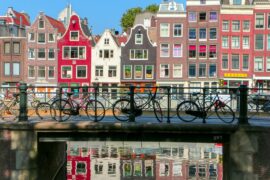
You may think of Greenland as a vast, empty island covered in ice and snow, carved by dramatic fjords and towering glaciers. And in many ways, that picture is true. But people do actually live there.
Around 56,000 people call Greenland home, most of them living in small towns and settlements along the island’s ice-free coastline. Life here has always been shaped by the Arctic climate, strong local communities and a deep connection to nature.
Recently, Greenland has also attracted growing international attention. This has led many people to ask questions about the island, its population and what daily life there is really like. So how many people live in Greenland, where do they live, and what is life like on the world’s largest island?
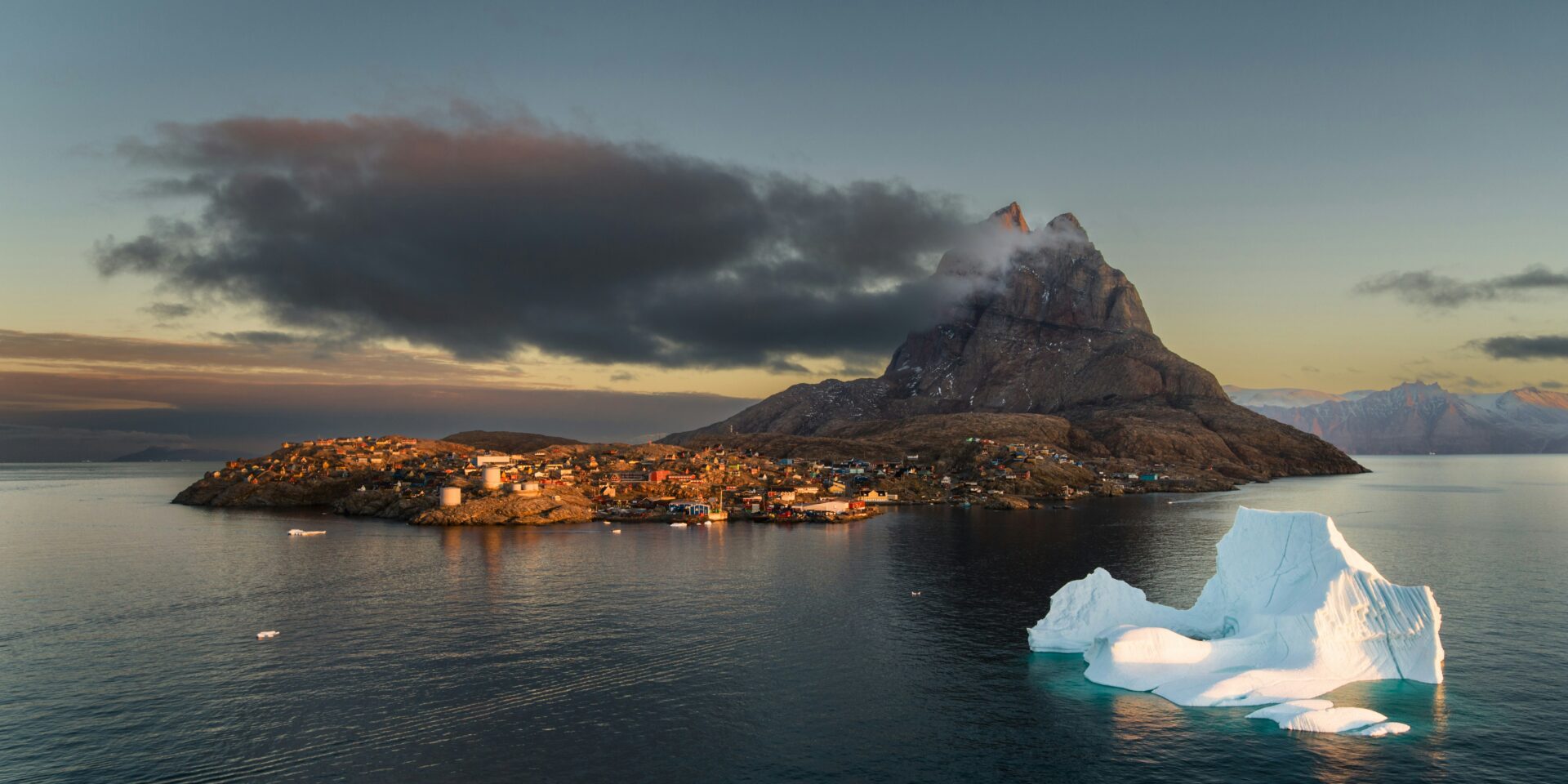
Where is Greenland?
First of all, let’s get our bearings. An autonomous country that is part of the rather fancy-sounding ‘Realm of Denmark’, Greenland lies between the Arctic and Atlantic oceans.
Although nominally part of Denmark, it is actually much closer to Canada. Geographically, Greenland is part of the North American continent rather than Europe.
And at its closest point, Canada’s Ellesmere Island is only 26km away.
How big is Greenland?
At around 2.17 million square kilometres, Greenland is big – very big. In fact, it’s the largest island in the world that isn’t a continent in itself.
To give you some idea of its size, its southernmost point lies at around the same latitude as Oslo in Norway, while the far north of mainland Greenland is just 740km from the North Pole.
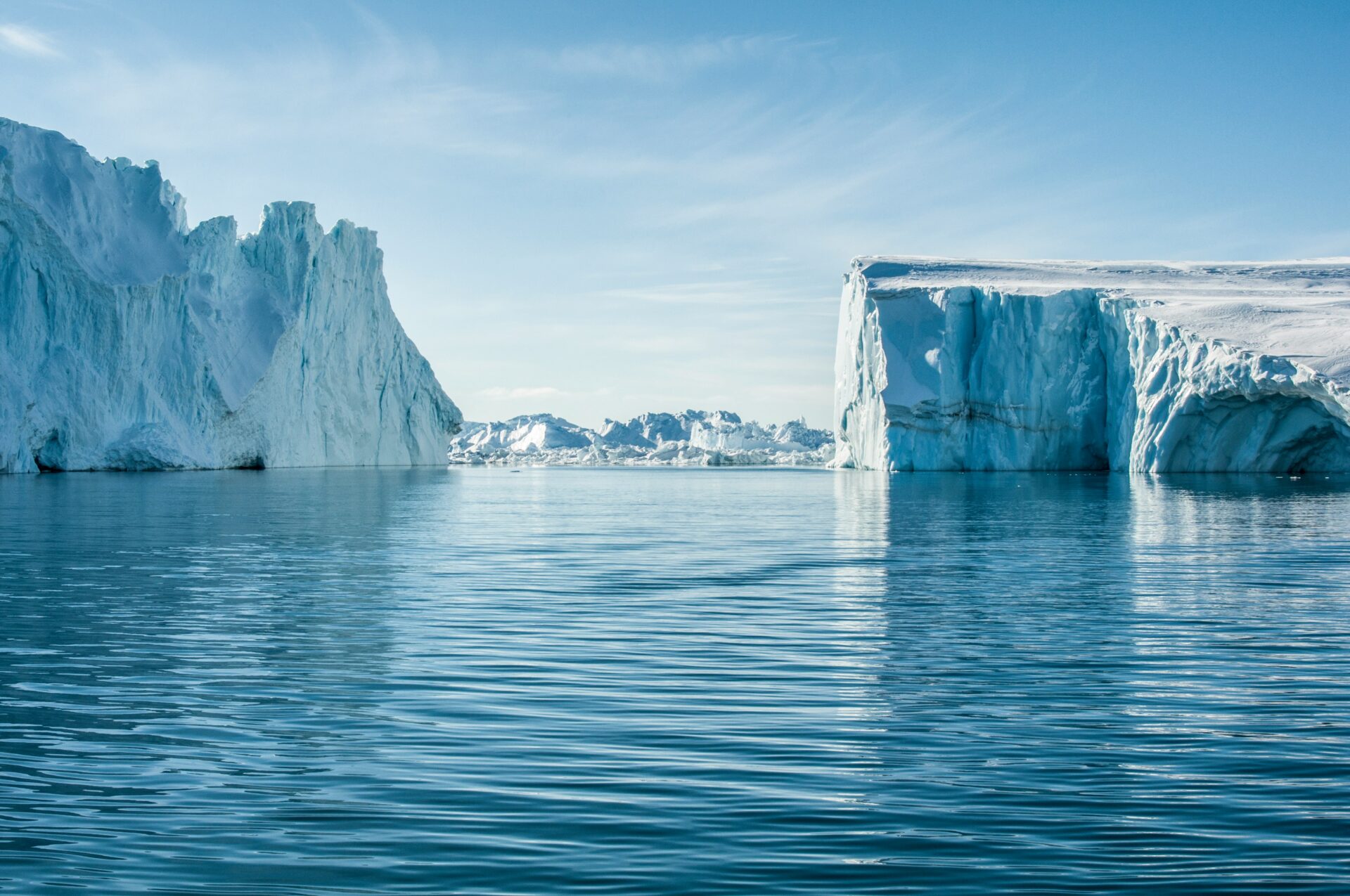
Deeply indented with fjords, Greenland’s coastline is almost 40,000 km long – more or less the same length as the Equator, which runs around the entire planet.
So yes, it’s very big, very cold and mostly very empty. But plenty of people do live in Greenland.
What’s the population of Greenland?
Greenland’s population numbers some 56,500 permanent residents in early 2026. Admittedly this is a pretty small population for the world’s largest island, giving Greenland one of the lowest population densities of anywhere in the world.
In fact, Greenland regularly ranks as the world’s most sparsely populated country, with a population density of 0.03 people per square kilometre.
Official statistics show that Greenland’s population is relatively stagnant. There is moderate growth in the capital, Nuuk, offset by declines in smaller settlements.
Why do so few people live in Greenland?
There’s a simple reason that so few people live in Greenland and that’s because 80 percent of the island is covered in a permanent ice sheet that is uninhabitable. None of the settlements on Greenland are linked to each other by road or railway, so it’s not easy to get around.
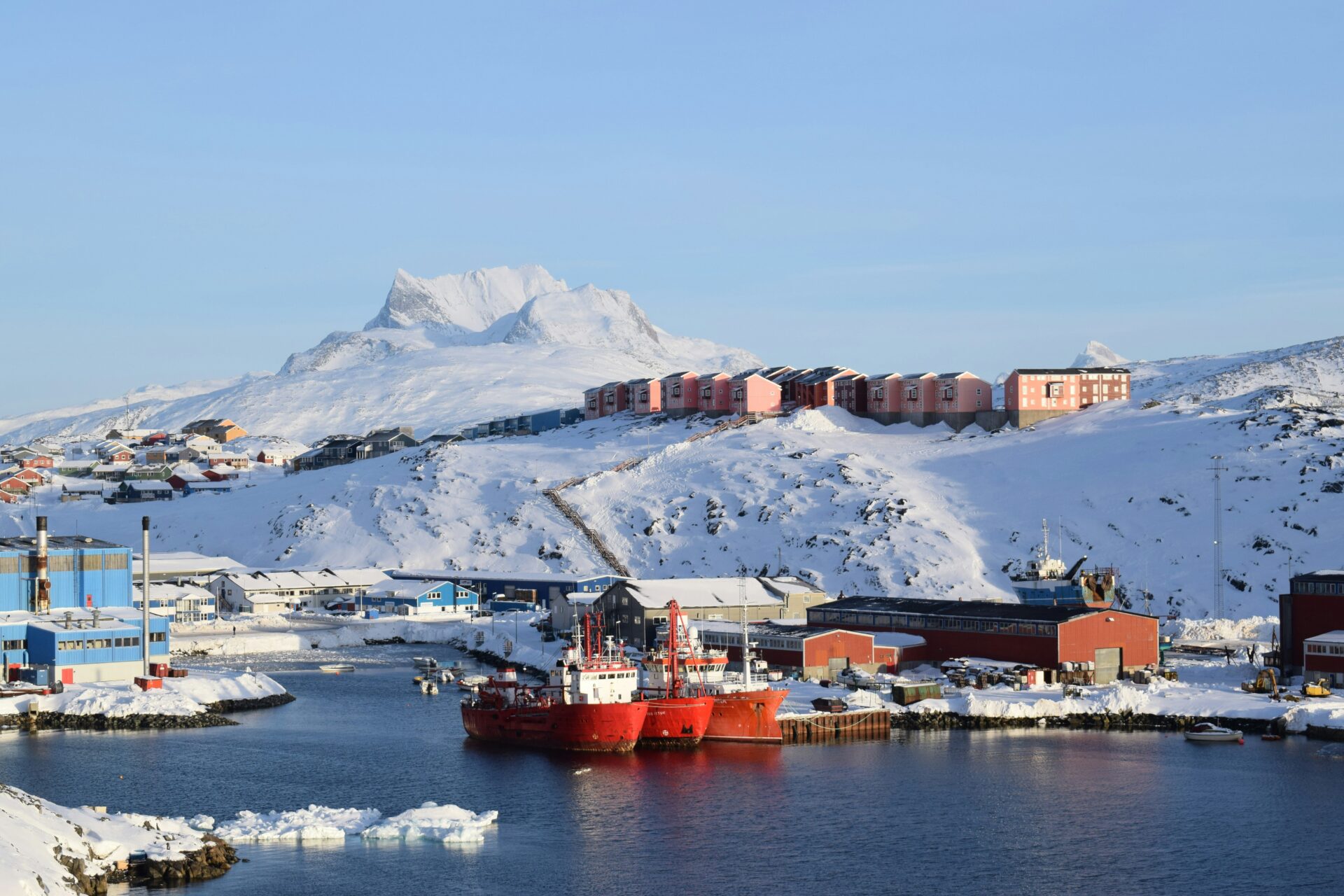
On top of that, Greenland is cold, with almost every town on the island staying below freezing for around six months of the year.
Where do most people live in Greenland?
So, where do people live in Greenland? Well, more than a quarter of the country’s population lives in the island’s capital, Nuuk. (Sometimes, this is incorrectly spelled Nuke. It has nothing to do with nuclear weapons!)
Its population of around 20,280 to 20,300 people makes it by far the island’s largest settlement, but still one of the world’s smallest capital cities.
Greenland’s capital Nuuk lies on the southwest coast and has most of the island’s infrastructure, its parliament building, the island’s main hospital and its only university – so it’s unsurprising that many Greenlanders choose to settle here.
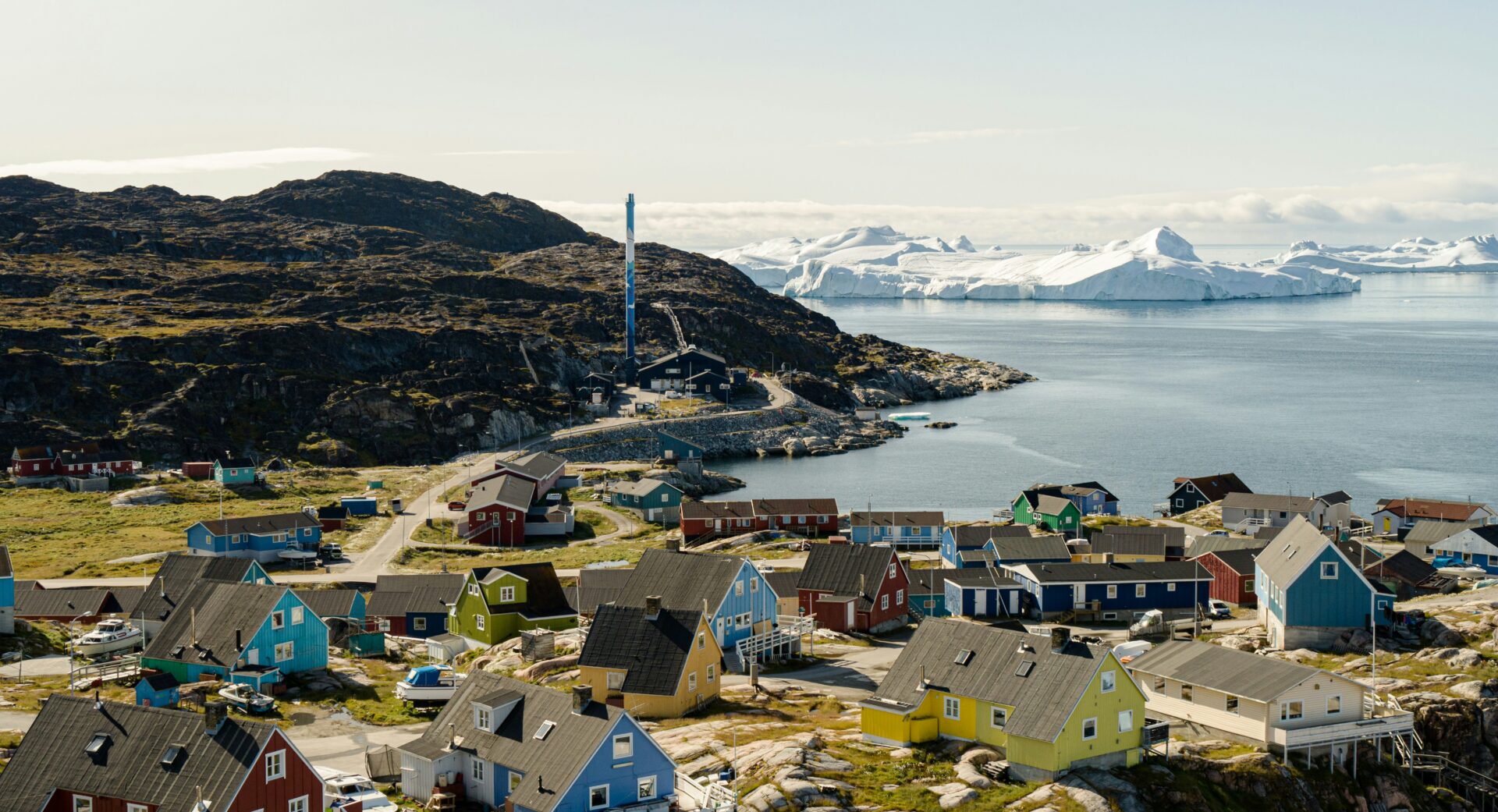
Nuuk is one of the greenest parts of the island, indented with fjords and is relatively sheltered with one of the mildest climates of any part of Greenland – although temperatures still get pretty low here. Greenland’s second and third largest towns Sisimiut and Ilulissat also lie along the more sheltered west coast, making it home to more than half of the island’s population.
Do people live in northern Greenland?
Since most of Greenland is covered with ice year-round, there are few people who live outside of the sheltered ice-free west coast. So, do people live in the upper half of Greenland?
Well, not many. The reality is that less than ten percent of the population lives in northern and eastern Greenland.
Greenland demographics
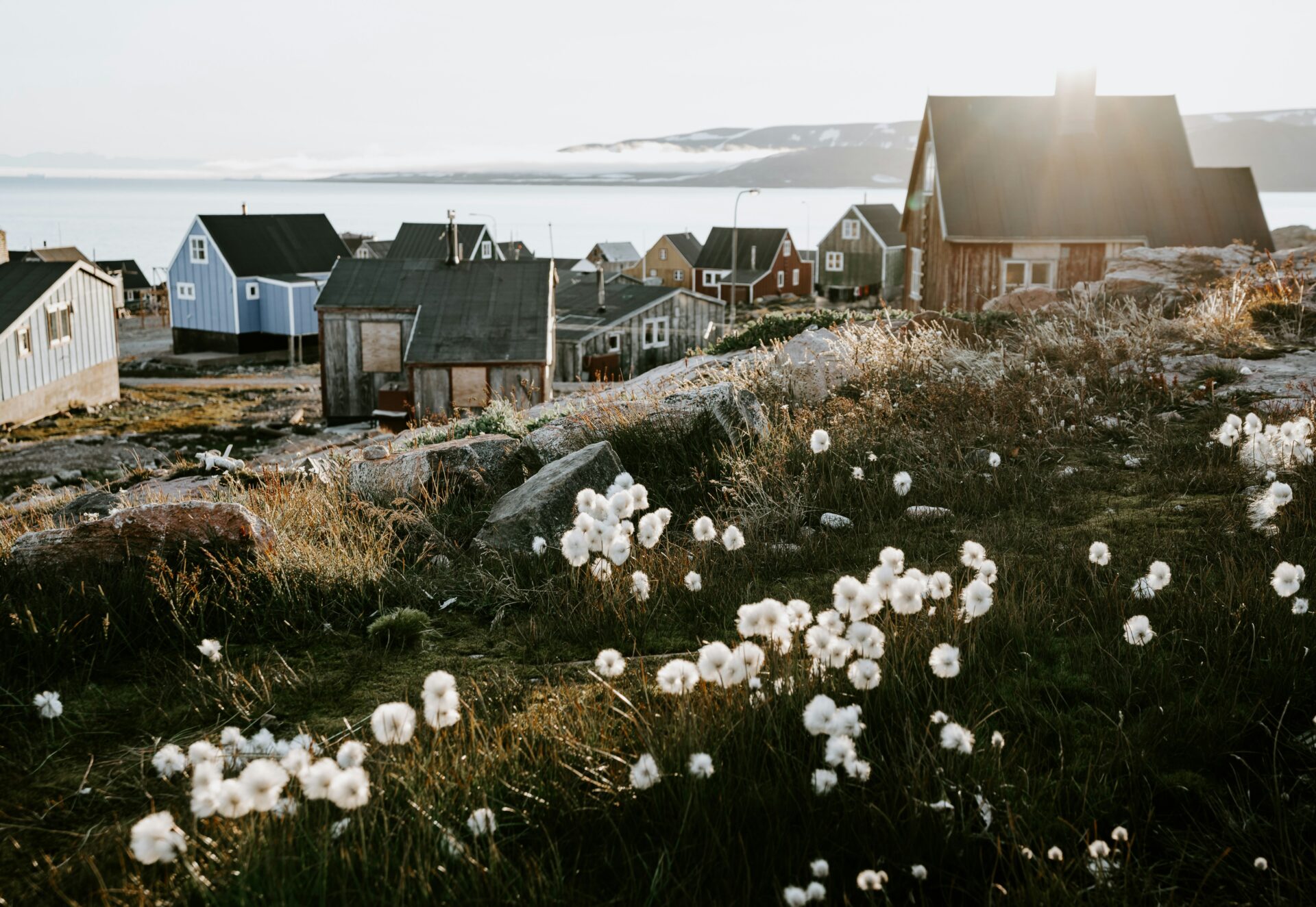
Although Greenland has been governed by Denmark for more than 250 years, the vast majority of its population is of Inuit descent. Around 88–90 per cent of Greenlanders identify as Inuit, often with a mix of Inuit and European ancestry as a result of historical contact and settlement. The remaining population is mainly of Danish or other European descent, with many people having close family ties between Greenland and Denmark.
Since the late twentieth century, fertility rates in Greenland have fallen below the replacement level of around 2.1 children per woman. In recent years, they have remained below that level, contributing to slow population growth and, in some periods, slight declines. This trend is reinforced by out-migration, particularly among younger people.
As a result, demographic projections suggest that Greenland could see a noticeable decrease in its working-age population over the coming decades, with some estimates pointing to a decline of around 16 per cent between 2019 and 2040.
What do they call people who live in Greenland?
People who live in Greenland are generally referred to as Greenlanders. The Indigenous people of Greenland are known as the Inuit, and more specifically as the Kalaallit, which is the Greenlandic Inuit term for themselves.
In Kalaallisut, the Greenlandic language, Greenland is called Kalaallit Nunaat, meaning “land of the Kalaallit people”.
How do people live in Greenland?
A large share of Greenland’s workforce is employed in the public sector, with over four in ten jobs in government, education, healthcare and related services. Fisheries, hunting and agriculture are also among the key employment sectors, with around 4 600 people working in these areas.
Life can be good in Greenland, but not everything is easy. Greenland has a lower life expectancy than most parts of Western Europe. Recent data show that men in Greenland live to around 69.7 years on average and women to about 73.4 years. Higher rates of mortality from accidents and suicide contribute substantially to this difference.
Why do people live in Greenland?
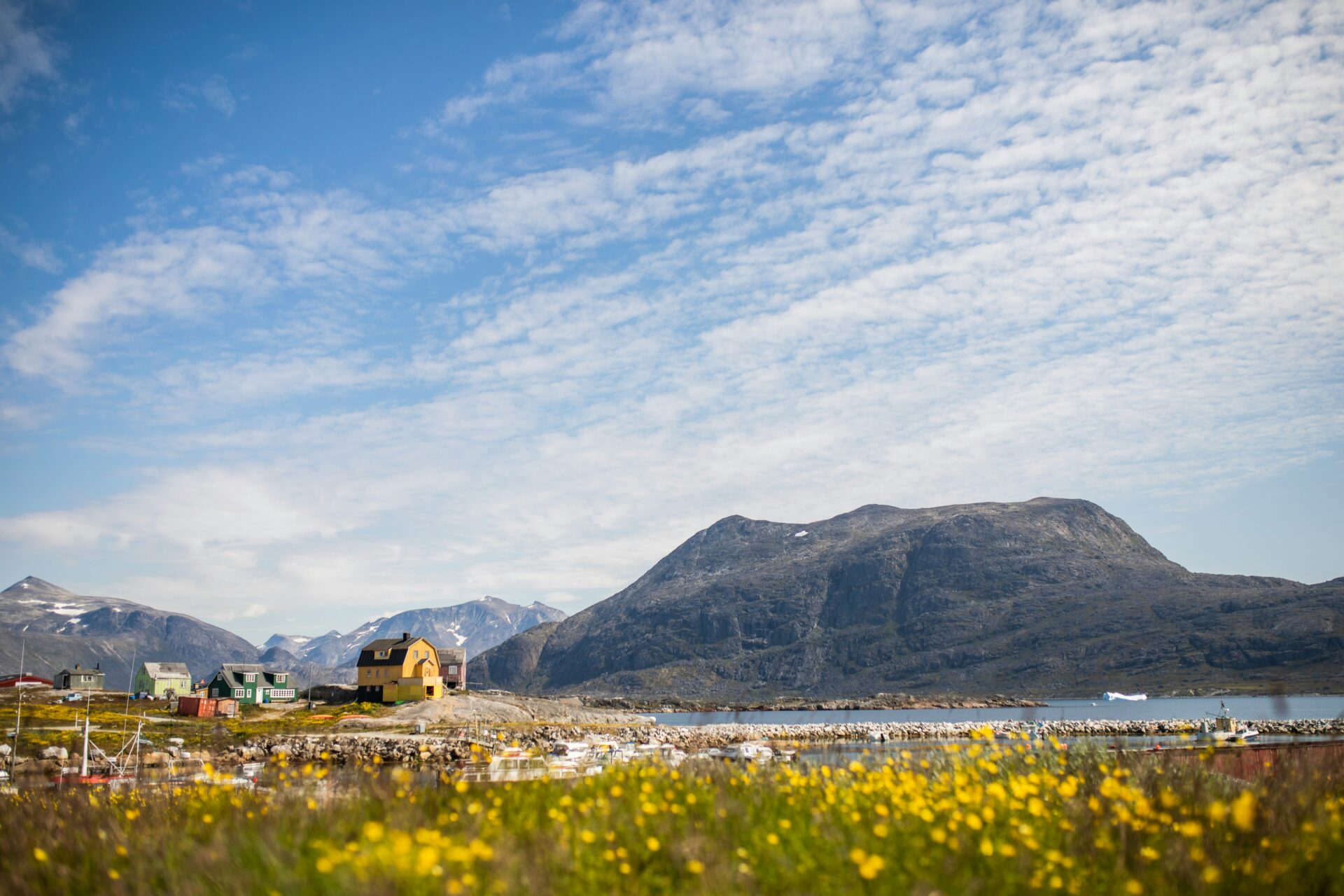
Despite the cold and isolation, there are many reasons that people chose to live in Greenland – not least, its stunning natural landscapes, dramatic scenery and unspoilt vistas.
And, of course, its tiny population is one of the very things that attracts some people – if you like living in a small community and having huge stretches of pristine landscape to yourself, you’ll feel right at home here.
Since there are few roads, the most common mode of travel in Greenland is boat, although snowmobiles and dogsleds are also popular – who needs the tube when you can ski or take a helicopter to your destination?
And because the population is so small and more people have boats than cars in Greenland, there’s very little pollution meaning that the air quality is among the best in the world.
But, it’s not all wilderness and remote landscapes. Greenland has some good quality comfortable hotels, such as Hotel Arctic in Illussat. The Michelin starred restaurant KOKS from the Faroe Islands even had a temporary location in Ilimanaq for a while. They offered a 17-20 course tasting menu focusing on local Greenlandic ingredients like seal and crowberry.
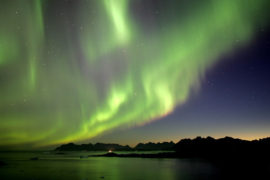
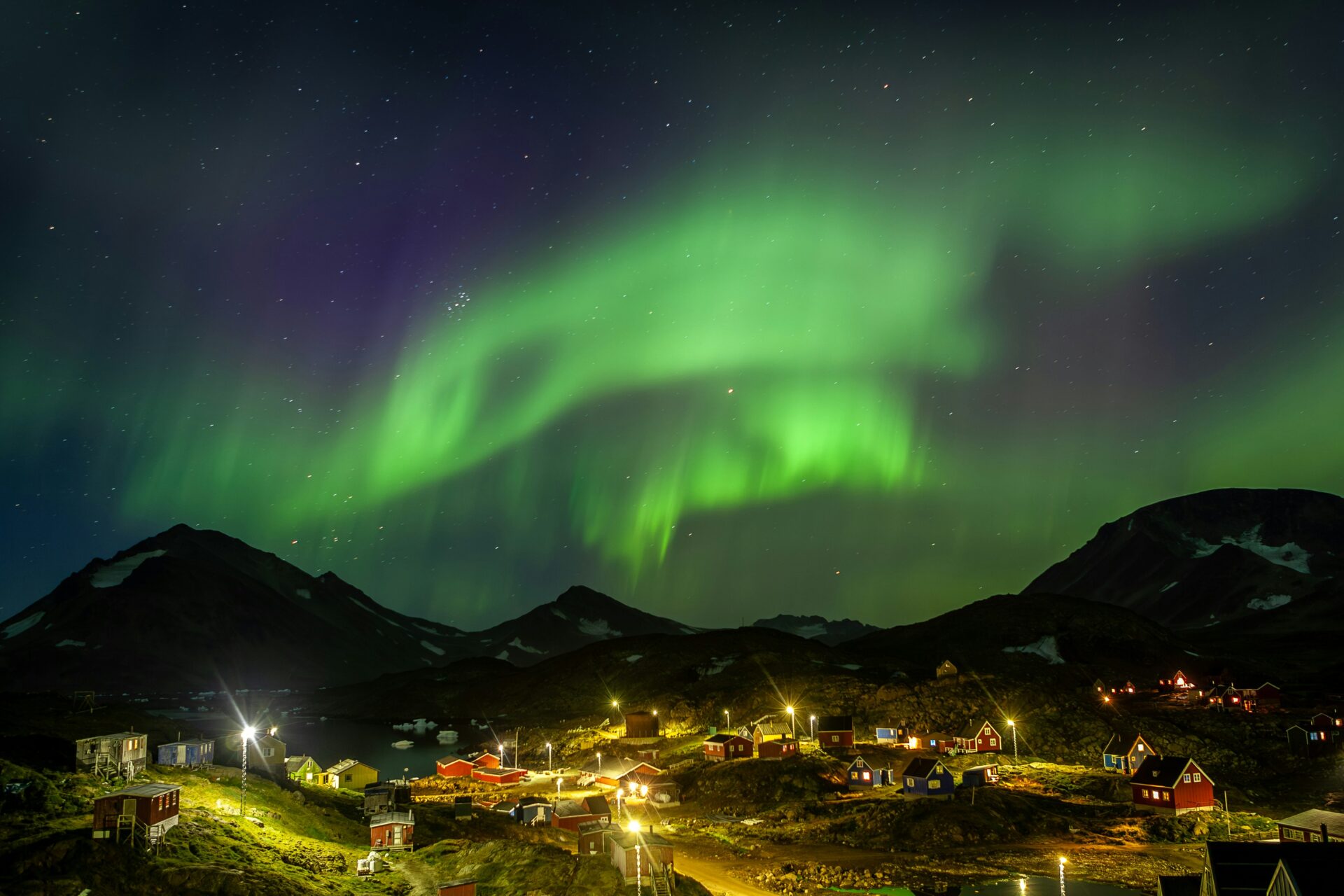
Greenland is also one of the world’s best destinations for viewing the northern lights. Since it lies so far north, Greenland has one of the longest seasons for northern lights viewing, so you have a good chance of catching the spectacular lights display. For more on seeing the northern lights in Greenland, check out this post.
If you’re interested in travelling to Greenland but are also considering other Nordic destinations, you might find it helpful to compare it with Iceland — two neighbouring islands that offer very different travel experiences.
Visiting Greenland: What to Expect
Life in Greenland is shaped by nature, small communities and a strong sense of place. While daily life can be challenging at times, it is also closely connected to the landscape and traditions that make the island so unique. For visitors, this offers a rare chance to experience one of the world’s most remote inhabited regions up close.
Are you considering travelling to Greenland, or have you already visited the island? We’d love to hear about your experiences or questions. Feel free to share them in the comments below!
See also:
Greenland vs Iceland
A quick guide to the Scandinavian countries
Ten of the best igloo hotels in Scandinavia